Relic point Vietnam
Việt Nam
Nguyen Trung Truc Shrine
The Nguyen Trung Truc Temple, located at 8 Nguyen Cong Tru Street, Rach Gia Ward, An Giang Province, is one of the earliest and largest temples dedicated to Nguyen Trung Truc in Southern Vietnam. After his death in 1868, local people secretly established a shrine to commemorate the hero who led the resistance against French colonialism. The temple currently has a three-part structure, consisting of the main hall, the East wing, and the West wing. The triple-arched gate, the roof, the horizontal plaques, the couplets, and the dragon and floral motifs are elaborately decorated. Inside the main hall, the central altar is dedicated to Nguyen Trung Truc, flanked by altars for the resistance fighters, the ancestors, and the Great General of the South Sea. Within the grounds are Nguyen Trung Truc's tomb and a display room showcasing artifacts related to the uprising. Every year, from the 26th to the 28th of August in the lunar calendar, a solemn festival commemorating Nguyen Trung Truc's sacrifice is held, attracting a large number of locals and tourists. The festival combines traditional rituals with various cultural, artistic, and folk game activities, expressing reverence for the national hero. In 1988, the temple and tomb of Nguyen Trung Truc were recognized as a national historical and cultural relic, becoming a typical spiritual and cultural site of Rach Gia and Southern Vietnam. Source: Wikipedia
An Giang
3 view
Rating : National Monument
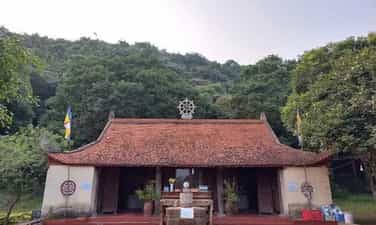
Am Cac Pagoda Complex
Am Cac Pagoda is located on the eastern slope of Cac Mountain, in Dinh Hai commune, Tinh Gia district, Thanh Hoa province. Ranked as a provincial-level historical site in 2013, it is considered one of the most significant and valuable ancient Buddhist complexes in Thanh Hoa. The Am Cac pagoda complex includes Trinh Pagoda, Ha Pagoda, Trung Pagoda, Thuong Pagoda, Ngoc Son Palace, and many ancient relics and artifacts such as foundations, tombs of monks, ancient wells, stone gongs, stone bells, and stone slabs carved with Buddha images. Ha Pagoda is the center of the complex, while Thuong Pagoda sits atop Cac Mountain – considered the "gateway to heaven." Over time, many ancient structures have been damaged, but the remaining relics and artifacts contribute to illuminating the history of Buddhism in this region. Some structures have been restored and renovated, making Am Cac an attractive pilgrimage, sightseeing, and cultural-historical destination in Thanh Hoa. Source: Thanh Hoa Newspaper
Thanh Hoa
4 view
Rating : Provincial-level historical site
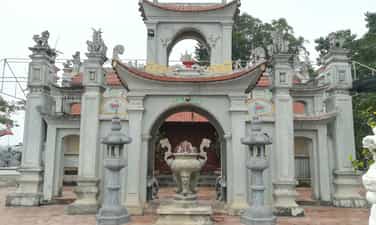
Chùa Đót Tiên
Chùa Đót Tiên (Đót Tiên tự) nay thuộc xã Hải Thanh, tỉnh Thanh Hóa, nằm trên sườn núi Tiên, trong không gian cảnh quan ven biển Lạch Bạng. Cùng với đền Lạch Bạng và đền Quang Trung – Nguyễn Huệ, chùa tạo thành một quần thể di tích lịch sử, văn hóa và thắng cảnh đặc sắc của vùng biển xứ Thanh. Chùa có từ thời Lê, trải qua nhiều lần tu bổ, trong đó kiến trúc còn lại chủ yếu mang phong cách thời Nguyễn. Chùa được xây theo hình chữ “Đinh”, gồm Tiền đường và Hậu cung. Trong chùa hiện còn 26 pho tượng Phật cổ, cùng nhiều di vật có giá trị như bia đá, đại tự, câu đối và hai chuông đồng cổ. Nằm giữa không gian núi và sông biển hài hòa, chùa Đót Tiên vừa mang vẻ cổ kính, thanh tịnh, vừa gắn bó với đời sống của cư dân vùng cửa biển Lạch Bạng. Đây là nơi sinh hoạt tín ngưỡng của nhân dân và điểm đến phù hợp để tìm hiểu giá trị kiến trúc, nghệ thuật và văn hóa Phật giáo truyền thống của Thanh Hóa. Chùa Đót Tiên thuộc cụm di tích thắng cảnh Lạch Bạng, có giá trị trong bảo tồn di sản và phát triển du lịch văn hóa – tâm linh địa phương. Nguồn: Chốn Thiêng – Danh bạ tâm linh đất Việt
Thanh Hoa
5 view
Rating : Di tích cấp tỉnh
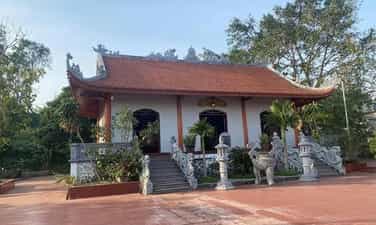
Temple of the Grand Scholar Le Nhan Quy
The temple dedicated to Grand Scholar Lê Nhân Quý, now located in Mai Lâm ward, Thanh Hóa province, is a historical site associated with a prominent figure of the early Lê dynasty. Lê Nhân Quý, originally from Kim Cốc village, held the positions of Grand Scholar of the Đông Các and Commander-in-Chief of the Imperial Guard. He played a key role in suppressing the Lê Nghi Dân rebellion, securing Lê Thánh Tông's ascension to the throne in 1460, and participating in the Champa campaign in 1471. Beyond his contributions to the court, he was also known for organizing the construction of the Hoàng Các dike, reclaiming coastal land, and contributing to the stability of production and the lives of the people. After his death, he was revered as the tutelary deity by the people, and a temple was erected in his honor. The complex includes the temple, his tomb on Tháp Mountain, and remnants of the Hoàng Các dike. The temple, built in the late 15th century, features traditional architecture and still preserves many valuable horizontal plaques, couplets, imperial decrees, and ceremonial artifacts. His tomb, located on Tháp Mountain, is where the local people maintain the tradition of offering incense and paying respects. The Hoang Cac dike is an important historical site associated with the water management and land reclamation achievements of Le Nhan Quy. It played a crucial role in preventing saltwater intrusion, leaching acidic soil, and creating arable land for coastal residents. With its historical, cultural, and architectural value, this complex of relics is a suitable destination for learning about the historical figure Le Nhan Quy, the scholarly tradition, and the process of developing the coastal areas of Thanh Hoa province. Source: Hanoi People Magazine
Thanh Hoa
6 view
Rating : Provincial-level historical site

Tam Giang Temple
Tam Giang Temple, now located in Bach Hac ward, Phu Tho province, at the confluence of the Lo, Hong, and Da rivers, is one of the typical historical and cultural relics of the Bach Hac region. According to legend, the temple has a history of about 1,300 years, associated with the worship of the Earth God Bach Hac Dai Vuong and the Holy Mother Duc Sinh Quach A Nuong. The temple is also associated with Tran Nhat Duat, a general of the Tran dynasty who came here to perform rituals before going into battle against the Mongol army. After his victory, he returned to give thanks and had the temple renovated and a bell cast as a donation. The temple currently worships three deities: the Great Holy God Bach Hac Dai Vuong, the Holy Mother Quach A Nuong, and the Second Holy God Tran Nhat Duat. The site has received numerous royal decrees from various dynasties and was recognized as a national historical and cultural relic in 2010. Annually, the temple holds major festivals in the 3rd and 9th lunar months with many rituals, folk games, and boat races on the Lo River, recalling the Tran Dynasty's tradition of naval training at Bach Hac. With its unique historical, cultural, and religious value, Tam Giang Temple is a typical destination in the journey to explore the land at the confluence of three rivers and the cultural roots of Phu Tho. Source: Phu Tho Newspaper and Radio & Television
Phu Tho
2 view
Rating : National Monument
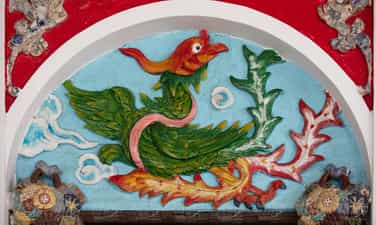
Dinh Co
Dinh Cô, now located in Long Hai commune, Ho Chi Minh City, is a historical and cultural relic associated with the maritime beliefs of the local people. According to legend, Dinh Cô is dedicated to Le Thi Hong, also known as Thi Cach, a girl from Binh Dinh province who died at sea at the age of 17. Her remains were buried on Co Son hill. Later, folklore recounted that she appeared many times, helping fishermen overcome accidents and epidemics, so the people built a temple to worship her, honoring her as the Long Hai Goddess. Dinh Cô was initially a small temple by the sea, but was later moved to the foot of Thuy Van mountain and rebuilt more solidly. The complex includes the shrine at the foot of the mountain and her tomb on Co Son hill. The main hall has a traditional temple-like architecture with many dragon, tiger, and two dragon motifs, as well as a rich system of statues and altars. Every year, the Dinh Cô Festival takes place from the 10th to the 12th of February in the lunar calendar, including rituals such as welcoming the Water Goddess, welcoming the God, offering sacrifices to the Goddess, singing traditional folk songs, performing the "Dai Boi" ritual, and many folk games. The festival expresses gratitude to the deities revered by the coastal people and the hope for favorable weather, national peace and prosperity, safe voyages for fishermen, and successful catches. Dinh Cô was recognized as a national historical and cultural relic in 1995, and is a typical destination for learning about the religious life and maritime culture of Southern Vietnam. Source: Vietnam Law Newspaper Online
Ho Chi Minh City
18 view
Rating : National Monument
Long Khánh Temple
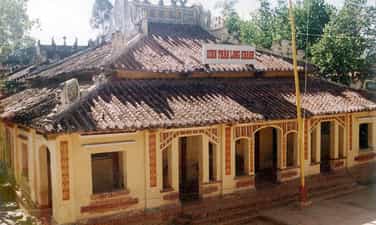
Long Khánh Temple (or Long Khánh Ancient Temple) is one of the oldest and most sacred temples in the delta region of Long Khánh A commune, Hồng Ngự district, Đồng Tháp province. Originally built in 1830 with simple bamboo and thatch, the temple is dedicated to the local tutelary deity and was honored with a royal decree from Emperor Tự Đức in 1852. After several relocations due to erosion caused by the Tiền River, the current temple was completely rebuilt and restored at the end of 2011 with a grand scale, featuring 114 sturdy wooden columns and a solid yin-yang tiled roof. Architecturally, Long Khánh Temple bears the strong imprint of Vietnamese-Chinese cultural exchange through its exquisite wood carvings. The temple is built in the traditional "double-tiered" style. Upon entering, visitors will be impressed by the system of large wooden columns, the gilded and lacquered horizontal plaques and couplets, and the intricately carved dragon and phoenix motifs on the side panels. More than just a place of spiritual worship, this communal house also carries significant historical weight. It was once a stopping point for the scholar Nguyen Sinh Sac to spread patriotic ideas, and it served as a military hospital treating Vietnamese soldiers during the 1978 Southwest border war. Every year, the Ky Yen festival at the communal house (held in the first lunar month) is the largest festival in the delta region, attracting thousands of locals and tourists who come to worship, pray for national peace and prosperity, and favorable weather. Source: Dong Thap Museum
Dong Thap
16 view
Rating : National Monument
Temple dedicated to General and Duke Tran Van Nang
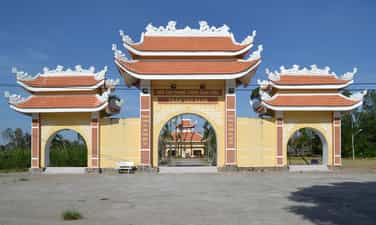
The temple dedicated to General Tran Van Nang, also known locally as Dinh Ong – Doc Vang, is located on the Tien River, at the mouth of the Doc Vang canal. This historical and cultural site is associated with the life and career of Tran Van Nang, a military general who made significant contributions to the defense and expansion of the southern region under the Nguyen dynasty. Tran Van Nang (1763–1835) held many important positions in the Nguyen army. In early 1835, after participating in a campaign in Phnom Penh, he fell seriously ill and handed over military command to Truong Minh Giang. On his way back to Vietnam, upon reaching Ben Sieu, now in Thanh Binh district, Dong Thap province, he passed away at the age of 72. His remains were brought to the mouth of the Doc Vang canal, where local officials, elders, and people erected a shrine to commemorate the meritorious general. For over a century, the temple has been preserved and beautified by generations of people, becoming a space for religious worship and commemoration of historical figures. The worship of Tran Van Nang reflects the tradition of "drinking water, remembering the source," remembering the contributions of those who helped protect the southwestern border region and the peace of the country. Every year, the commemoration ceremony is held over three days, the 14th, 15th, and 16th of the second lunar month, attracting a large number of local people and tourists from many places to offer incense and pay respects. Religious activities at the festival express wishes for national peace and prosperity, favorable weather, and a peaceful and prosperous life. The temple is situated amidst the characteristic riverine landscape of Dong Thap province, along with a system of gardens and riverside sandbanks, creating a destination that combines sightseeing, historical exploration, and cultural and religious activities. Source: Historical and Cultural Relics Information Page.
Dong Thap
17 view
Rating : National Monument
Giac Vien Pagoda
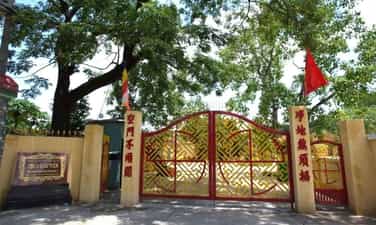
Located on Lac Long Quan Street, Binh Thoi Ward, Ho Chi Minh City, Giac Vien Pagoda is one of the representative ancient pagodas of the Gia Dinh - Saigon region, with a history closely linked to the construction and restoration of Giac Lam Pagoda. Its predecessor was Quan Am Vien, built in 1805 in the Ho Dat wharf area. In 1850, Quan Am Vien was renamed Giac Vien Pagoda. Through numerous restorations, the pagoda has gradually perfected its architectural and artistic appearance to its present state. Giac Vien Pagoda features Southern Vietnamese Buddhist architecture, harmoniously combining traditional elements with some Western influences in its facade decoration. However, the most outstanding value of the monument lies in its system of statues, decorative panels, horizontal plaques, couplets, and elaborately crafted wooden reliefs, particularly those from the late 19th and early 20th centuries. The pagoda currently houses 153 wooden statues, including many sets of high artistic value such as the Eighteen Arhats, the Ten Kings of Hell, and the Buddha and the Four Assemblies. The statues clearly demonstrate a free and expressive style, close to the daily life of the people of Southern Vietnam. Most remarkable is the system of 58 decorative panels with diverse themes. The "Ba Dieu" panel stands out for its exquisite carving, depicting nearly 100 species of birds in various lively poses. Besides familiar figures like dragons, unicorns, turtles, and phoenixes, the artisans also incorporated images close to everyday life such as buffaloes, cows, goats, pigs, dogs, birds, flowers, and fruits. These rustic images create a unique character, clearly showing the process of the Southern Vietnamese adaptation of Buddhist decorative art. The pagoda also has a system of 128 couplets and many reliefs carved on the columns and wooden structures. The themes are diverse, ranging from the Four Sacred Animals, the Eight Immortals, and the Eighteen Arhats to flowers, birds, trees, fruits, and familiar animals. Through this, the art of carving not only served religious needs but also reflected the life, thoughts, and aesthetic concepts of the inhabitants of the ancient Gia Dinh region. Source: Vietnam Buddhist Forum
Ho Chi Minh City
14 view
Rating : National Monument
Cao Dai Ban Chinh Dao Holy See
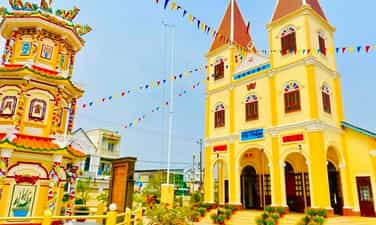
The Cao Dai Ban Chinh Dao Holy See is located at 100C Truong Dinh Street, Son Dong Ward, Vinh Long Province, on the banks of the Ham Luong River. It is the central place of worship of the Cao Dai Ban Chinh Dao Holy See, the second largest indigenous Cao Dai sect in Vietnam. The current Holy See was built on a large scale starting in 1947 on the foundation of the ancient An Hoi Temple, after years of historical upheaval. The Holy See boasts a unique blend of Eastern and Western architecture, situated on a spacious grounds of over 7,000 m², surrounded by ceremonial courtyards and lush greenery. Inside, the architectural space is designed with solemnity, featuring intricately carved dragon columns and the Divine Eye symbol representing the Supreme Being. The domes and religious flags, bearing the three characteristic colors, fully preserve the philosophy of "Three Religions Returning to the Origin" of Buddhism, Taoism, and Confucianism, along with the traditional ceremonial robes and artifacts of the senior religious leaders. Notably, the complex also includes the Yao Chi Buu Dien temple dedicated to the Goddess Kim Mau and the Ky Tho garden – a place of serene meditation associated with the years of religious practice of the Supreme Patriarch Nguyen Ngoc Tuong. Many auxiliary structures and surrounding gardens have also been cared for and preserved by generations of dignitaries and followers for nearly a century. More than just a remarkable architectural masterpiece, the Holy See also embodies the spirit of religious practice accompanying the nation, having served as a solid revolutionary base, sheltering many cadres and soldiers during the wars of national liberation. Today, it has become a significant historical and cultural site, attracting numerous visitors to explore, admire, and learn about the unique religious beauty of the Southern region of Vietnam. Source: Cao Dai Ban Chinh Dao Church Electronic Information Portal.
Vinh Long
18 view
Rating : Provincial-level historical site