Tourist destination
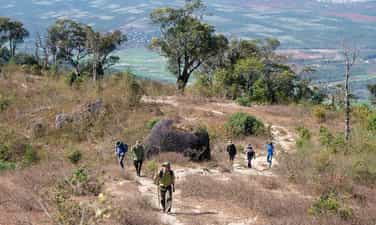
Chu Nam mountain peak
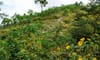
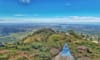
Đỉnh núi Chư Nâm là một trong những điểm đến nổi bật dành cho du khách yêu thiên nhiên và khám phá tại khu vực cao nguyên Pleiku. Ngọn núi cao khoảng 1.500 m so với mực nước biển, nằm cách trung tâm Pleiku khoảng 30 km, nổi bật với địa hình núi rừng hoang sơ, hệ sinh thái đa dạng và những cung đường trekking giàu trải nghiệm. Hành trình chinh phục Chư Nâm đưa du khách qua những lối mòn giữa rừng, các triền dốc và thảm cỏ xanh trải dài. Càng lên cao, không gian càng rộng mở, núi rừng và những bản làng phía dưới dần hiện ra giữa mây trời. Trên đường đi, du khách còn có cơ hội khám phá hệ thực vật phong phú và cảm nhận vẻ đẹp đặc trưng của thiên nhiên Tây Nguyên. Đặt chân lên đỉnh Chư Nâm, du khách có thể phóng tầm mắt bao quát không gian rộng lớn của cao nguyên Pleiku, ngắm núi Hàm Rồng, thủy điện Yaly và đặc biệt là núi lửa Chư Đăng Ya từ một góc nhìn khác. Vào những ngày thời tiết thuận lợi, nơi đây còn là điểm săn mây hấp dẫn, mang đến những khoảnh khắc ấn tượng giữa núi rừng. Không chỉ trekking và ngắm cảnh, khu vực đỉnh núi còn có những khoảng đất rộng thích hợp để cắm trại, thưởng thức bữa ăn giữa thiên nhiên và trải nghiệm không gian cao nguyên khi đêm xuống. Đây cũng là dịp để du khách cảm nhận sự yên tĩnh của núi rừng và vẻ đẹp của Pleiku từ trên cao. Với cảnh quan hùng vĩ, thiên nhiên nguyên sơ và hành trình khám phá đầy thử thách, đỉnh Chư Nâm là điểm đến lý tưởng cho những ai muốn trải nghiệm vẻ đẹp của cao nguyên Pleiku theo một cách khác biệt.
Gia Lai
177 view


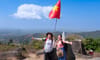
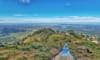


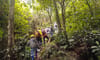


Xuan Thuy eco-tourism area - Gia Lai
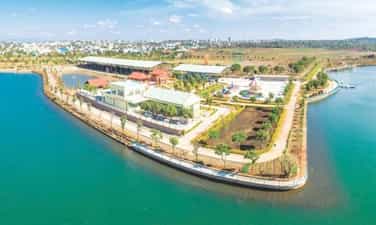
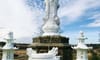
Xuan Thuy eco-tourism area - Gia Lai. Xuan Thuy eco-tourism area is a prominent destination of Pleiku city, Gia Lai province. Located about 2 km from the city center, the tourist area has a large, fresh space and is an ideal place to visit, relax and have fun. The highlight of the tourist area is Mat Biec lake, about 15 hectares wide, surrounded by trees, flowers and viewing huts. Besides, there is an artificial waterfall, a complex of Bodhisattva Avalokiteśvara statues and many beautiful miniatures, creating a peaceful and poetic scene. The tourist area also has many modern play areas for children, camping areas, event venues, restaurants and cafes with views of the lake. Coming to Xuan Thuy Ecotourism Area, visitors can immerse themselves in nature, participate in recreational activities, relax and enjoy the cool atmosphere of the mountain town of Pleiku. This is also a suitable place to organize picnics, take photos and rest with family and friends. With a harmonious natural landscape and many diverse services, Xuan Thuy Ecotourism Area is an attractive destination, contributing to promoting the beauty and tourism potential of Gia Lai province.
Gia Lai
347 view









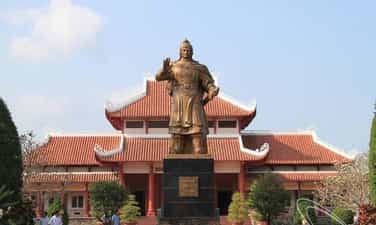
Quang Trung Museum
Quang Trung Museum is a place to preserve images and artifacts of cloth hero Nguyen Hue and the glorious victory of the Tay Son insurgent army. Quang Trung Museum is a tourist destination that in recent years has attracted many tourists when they have the opportunity to travel to Quy Nhon. As one of the most famous historical museums in Gia Lai province, this place preserves valuable artifacts associated with the Tay Son uprising. Besides, the museum is also where the bodies of the three Nguyen brothers, Nguyen Nhac, Nguyen Hue, and Nguyen Lu (known to local people as Tay Son Tam Kiet), are kept. The museum was built in 1978, in Tay Son commune, about 45km from Quy Nhon city center. The road is quite far so you can combine visiting other tourist destinations such as Ham Ho Tourist Area, Twin Towers, Banh It Tower, Thien Hung Pagoda, Heaven and Earth Altar. Quang Trung museum campus is more than 150,000 square meters wide, the architecture intertwines classic and modern lines, harmonious natural landscape, and many trees. This is also the largest celebrity museum today, ranked as a National Monument in 1979. Not only does it have historical significance, but Quang Trung museum also has long-standing cultural and political value. The special thing is that this project was built on the old house, where the three Nguyen brothers were born and raised: Nguyen Lu, Nguyen Nhac and Nguyen Hue. The museum is also considered a historical witness, it stores important artifacts, depicting the life of national hero Quang Trung - Nguyen Hue. Besides, this museum is also considered a cultural and educational center to research the nation's history. Having the opportunity to visit the museum, you will have a lot more knowledge about history and be more proud of the sacrifices of previous generations. The museum helps inspire and educate the young generation about patriotism and the spirit of solidarity and unanimity for the country and people. Entering the museum grounds, you will be surprised because this place is meticulously cared for. The design layout is harmonious and balanced, the center is where the Quang Trung monument is located, from here radiating out in other directions are other items. The museum has a curved, red tile roof with extremely meticulous and sophisticated carvings. The main items here include: Quang Trung Monument; Tay Son Tam Kiet Temple; Tay Son music and martial arts performance house; Tay Nguyen communal house; The house displays conservation items; Natural landscape area; Ben Truong Trau. The museum's display area alone includes 9 rooms, storing about 11,000 artifacts. History is a rather distant category because we mostly only learn it from books. Therefore, if you have the opportunity to come to Quang Trung museum, you will be able to directly see items associated with the Tay Son insurgent army such as elephant skin bronze drums, ordinations, seals, genealogies of martial generals, civil servants... to better understand the fighting journey and resounding victory of the insurgent army. Besides, countless simple and simple items are also preserved here, depicting the marches, battles, and arduous days of the insurgents at that time. These realistic, intimate images will certainly help you better understand an important historical period of the nation. The old garden of King Quang Trung's family still retains two precious relics: an ancient tamarind tree and a well. The well mouth has a diameter of 0.9m, located on the right side of Tay Son palace. The well was built of honeycomb stone slabs, originally a private well for the family but later restored to become a village well. You can sit under the tamarind tree in the shade, enjoying the quiet, calm and antiquity of Quang Trung Museum. When coming to the museum, don't forget to enjoy Tay Son martial arts performances. In addition, you can also watch a short film recreating the entire process of the Tay Son insurgents fighting and winning. If you have the opportunity to set foot in Tay Son, visit the Museum to listen to the still echoing sounds of ancient war drums and feel the eternal spirit of the Vietnamese people.
Gia Lai
3978 view


Banh It Tower
Banh It Tower is a structure built during the ancient Champa period that exists in the heart of Gia Lai today. Coming here, you will definitely be impressed by the almost intact beauty of the tower. Located on a high hill in Dai Loc village, Banh It Tower leans down, reflecting on the Con river flowing through Ba Di bridge. Also known as Silver Tower, Banh It Tower was built in the late 11th and early 12th centuries, belonging to the ancient Champa dynasty. Located on a high hill in Dai Loc village, Banh It Tower leans down, reflecting on the Con river flowing through Ba Di bridge. Also known as Silver Tower, Banh It Tower was built in the late 11th and early 12th centuries, belonging to the ancient Champa dynasty. From the first moment you set foot here, you will be impressed by the historical traces of the Champa period that still exist on the top of the tower, stone statues, dancing girls with curvy bodies and vivid, meticulous sculptures. Banh It Tower is a complex with four towers radiating out in four directions and clustered in the middle. When viewed from a distance, it resembles banh it, a specialty of the martial arts land of Gia Lai. Therefore, local people called this place Banh It tower for that reason. The most prominent part of the Banh It Tower complex is the gate tower in the East. The tower is 13 meters high, finished from laterite bricks with two connecting doors in the East - West direction. The gate tower at Banh It Tower was built according to Gopura architecture with spear-shaped arches, many layers stacked vertically. The tower's body has concave vertical grooves, forming a towering, elegant-shaped column, towering between the heaven and earth of Gia Lai. The Main Tower is located on the top of the hill, and has the largest structure at Banh It Tower with a height of 29.6 meters. The main tower has a square plan with each height of 12 meters. The majestic part of the tower is very majestic, meticulous in every smallest detail. The main tower at Banh It Tower has only one main door located in the East and three fake doors radiating out in all directions according to Kalan architecture. The main door is built to protrude from the wall with an impressive height of 2 meters. The door arch is built in the shape of a spear, in the middle is a relief sculpture of Kala's face, and the border of the arch is a relief of the dancing monkey god HaNuMan. The southern tower of the Banh It Tower complex has similar architecture to the East tower with special features in Nau culture and architecture, especially the Posah style: square plan, spear-shaped door, tower body made from cladding columns. In addition, the roof of the South Tower has a unique design with gradually smaller floors moving upwards. The floors of the tower have rows of columns in the middle, bulging at both ends similar to the shape of a gourd. From the main tower, go a little further and you will see the last tower in the Banh It Tower complex. This is a tower with unique architecture with a height of 10 meters, a rectangular plan, 12 meters long, 5 meters wide. The main door of the tower faces East, opening in both North and South directions. The tower's roof is concave in the middle, similar to the shape of a saddle. Therefore, this place is also called by people another name: Yen Ngua tower. Meanwhile, the base of the tower protrudes slightly from the body, built in a square step shape to form a pedestal for the entire project. The body of the tower is shaped like a relief of a magical bird with an interesting and evocative wingspan posture. The appropriate time to go to Banh It Tower is from January to August. At this time, the weather in Quy Nhon is very beautiful, clear and no rain, suitable for people to visit outdoors. Banh It Tower is one of the few works associated with the rare Champa Dynasty that still exists today. With its unique architectural beauty, it is certain that your journey back to Quy Nhon will become much more complete if you have the opportunity to visit and enjoy the scenery at Banh It Tower.
Gia Lai
4345 view


Quy Nhon Twin Towers
Twin Towers is not only a destination for history lovers but also a place for tourists to find tranquility, contemplate ancient cultural beauty, and is one of the most beautiful Cham architectural relics left in Vietnam. Quy Nhon Twin Towers - also known as Hung Thanh Tower - is one of the most ancient and impressive Cham architectural works remaining in Binh Dinh. Located on Tran Hung Dao street, Dong Da ward, right in the center of Quy Nhon city, the tower appears as a historical witness, preserving the cultural essence of the ancient Champa kingdom. Quy Nhon Twin Towers are not like traditional Cham towers. The project consists of two towers standing side by side, creating an impressive layout. The big tower is about 25m high, the small tower is 23m high, both have the main door facing south - a symbol of the connection between humans and gods according to the concept of the Cham people. The most special feature of Quy Nhon Twin Towers is the mysterious construction technique: red bricks are stacked on top of each other without any visible mortar marks, tightly bonded with a type of adhesive that scientists have not yet been able to decipher. The three main parts of the tower clearly show the Champa architectural style: Tower base: Solid with large stone blocks (big tower) and baked bricks (small tower). Tower body: Solid square structure, decorated with vivid motifs such as the divine bird Garuda, hybrids with elephant heads and lion bodies, and human figures with 6 or 8 arms. Top of the tower: Not scaled down like traditional Cham towers, but has a soft curved dome shape, symbolizing the connection between earth and sky. Through many ups and downs of history, war and time, Quy Nhon Twin Towers were severely damaged. But with constant efforts, from 1990 - 1997, Polish and Vietnamese experts coordinated the restoration, helping the project revive almost intact. This is considered a destination rich in historical, cultural and architectural values. Today, Quy Nhon Twin Towers are located in the middle of a green campus of more than 6,000 square meters, looming under the canopy of coconut trees, areca palms and frangipani flowers - plants associated with Cham culture, creating a quiet and mysterious space. The unique feature of the Twin Towers is the combination of red bricks and elaborately carved sandstone panels. The images of linga - yoni, Shiva, elephant, Naga, or dancing Apsara dancers all show the unique artistic imprint of the Cham people. Not only do they have aesthetic value, these motifs also contain spiritual meaning, expressing beliefs about prosperity, fertility and the power of divine protection. Take a leisurely walk around the two towers, feel the quiet space, admire each delicate architectural line and imagine a prosperous period of the Champa kingdom. Discover the Linga - Yoni symbol made of sandstone inside the large tower, expressing the prosperous beliefs of the Cham people. Listen to the story of a lost dynasty, feel the harshness of time and the golden vestiges of the past. Live slowly in the ancient space, take photos with mossy walls, where the past and present intersect. On festive occasions, you may be lucky enough to encounter dancers in traditional Cham Pa costumes performing the mysterious Apsara dance - a dance that honors the beauty and soul of women. With its ancient features and unique symmetry, Quy Nhon Twin Towers are the ideal backdrop to create photos imbued with heritage. Although most of the artifacts inside have been lost over time, the Twin Towers still preserve a number of precious antiques, vividly reflecting the cultural and spiritual life of the ancient Cham people. Among them, the most prominent are reliefs of dancing girls, Nandin bull heads and inscriptions engraved with ancient Champa script. A number of artifacts are currently displayed at the Binh Dinh Museum, helping visitors better understand the once brilliant civilization. Not only is it a historical relic, Twin Towers is also a place where many interesting cultural activities take place. During festivals, visitors can enjoy traditional Cham dances and admire unique artistic performances. Or even have the opportunity to explore the unique features of the religious life of the ancient Champa community. Don't hesitate any longer without visiting the Twin Towers to once touch the ancient bricks, listen to the hundreds of years of stories of the Cham people and feel the breath of the past still creeping into every corner of the coastal city of Quy Nhon.
Gia Lai
4104 view


Duong Long Tower
Duong Long Tower, also known as ivory tower, is a famous Buddhist architecture in Tay Son - Binh Dinh. The tower was built by the Cham community around the 12th century, XIII, the most brilliant development period of Cham Pa culture. This tower complex consists of three towers, each with 10 floors, 33 meters high, 39 meters and 32 meters high and are built in line according to the North - South axis. According to the researchers, removable was built with religious purposes, worshiping the gods in Brahmanism, including Brahma, Visnu and Siva - three supreme gods of Indian religion. Later, kings with meritorious services to the country were also worshiped in the towers. The tower has a massive size and a special shape than other Cham Pa towers. This project is the harmony of Cham Binh Dinh architectural characteristics and Khmer architecture. The perfect combination of tiles construction techniques of the Cham and assembling techniques and creation on the Khmer rock has created a outstanding architectural masterpiece. Duong Long Quy Nhon Tower is popular with tourists not only because of the massive architecture but also for the unique beauty of each tower cluster. All three towers have the same shape and position, located in the North - South direction, the main face towards the east - the residence of the god according to the Cham concept. However, each tower will have different sculptures and decorations, creating the unique value for each tower. Nam Tower: - Worship of Visnu - has the best shape and the most intact architecture. The tower is 32.94 meters high, 14 meters wide, the distance from the Nam to the middle tower is 1 meter. The tower wall was built in the way of breaking the level of the level, protruding towards the door. Besides, decorative motifs such as round breasts, images of gods and sophisticated details on the tower roof such as elephant, lion, nandin cow, kala face, Naga snake, ... are also the highlight that creates the skill and sophistication of Champa architectural art. All of these factors together create a magnificent beauty and attract the attention of people to visit and explore. The middle tower - Siva worship - the highest in the Duong Long tower cluster - 38.1 meters and is the tallest brick tower in Southeast Asia. The main door arches and fake doors of the tower collapsed, seriously damaged. The southern fake door only remains the door, the road is also devastated and collapsed. Around the walls of the tower there are wide covers, no decorative patterns, each wall has 7 pillars, slightly flared head heads, combined with stone blocks, forming many levels of tape. The base is covered with sandstone blocks with square pitches each edge 16.5m long, the protruding part of the fake door is 0.84m. North Tower - worshiping Brahma is the smallest tower with a height of 31.76 meters. This is the most damaged tower in the whole cluster of 3 towers. Before being reinforced in 1984, the body of the tower was deeply carved inside. The tower has a square and size map, the layout of the outside is similar to the male tower. Although the main door has been eroded, we can see that there is still a tall nose -shaped dome. The two door pillars are made of stone, their heads are decorated with a snake -riding Garuda bird statue. The fake doors are designed like the main door, but smaller. On the top of the door pillars is the fierce Kala face, spitting out from the Seven -headed Naga snakes. The roof has a small four -storey structure upward and ends with a large lotus bud on the top of the tower.
Gia Lai
6851 view


Ong Nui Pagoda
Located on the top of the Vung Top, belonging to the Ba mountain range, Ong Nui Pagoda (Linh Phong Tu) appears majestic and majestic among the vast heaven and earth. This temple is not only famous for its beautiful natural landscape but also a spiritual destination with the giant Shakyamuni Buddha image - one of the largest Buddha statues in Southeast Asia. Ong Nui Pagoda gives visitors a sense of peace and release between the sacred mountain space. Here, you can offer incense to Buddha, pray for peace, luck and admire the unique masterpiece of Buddhist architecture. Ong Nui Pagoda, the name is Linh Phong Tu, is located on the top of the Top of Vung in Ba mountain range, in Cat Tien commune, Phu Cat district, Binh Dinh province. This temple has a long history of formation, associated with the name of Zen master Tinh Giac and has experienced many restoration and renovation to get the size of today. At the beginning of the 18th century, Zen master Tinh Giac went to Ba Tu Mountain and built a small Am to meditate. Due to the higher terrain, this place is called "Mount Mountain" by people. Zen master Tinh Giac was also respected by the people as "Mr. Nui". Therefore, his small Am is also called "Ong Nui Pagoda". In 1907, the pagoda was officially built with the name "Linh Phong Zen Tu". Experiencing many restoration and renovation, Ong Nui Pagoda today has become a large architectural complex, including many works such as the main hall, the ancestor church, the Tam Quan gate, the bell tower ... and especially the giant Shakyamuni Buddha statue leaning back on the mountain. Ong Nui Pagoda architecture is a harmonious combination of traditional and modern beauty, creating a worship space that is both solemn and close. The main hall is the main place to worship the temple, designed in traditional architecture with multi -layered roof tiles, exquisitely carved wooden decoration details. Tam Quan gate, the main gate of the pagoda is also built in a traditional style, with 3 separate paths. In addition, the pagoda also has ancestral church, bell tower, gallery ... all designed in harmony with the overall architecture of the temple. The most prominent and impressive architecture of Ong Nui Pagoda is the giant Shakyamuni Buddha statue, built leaning against the cliff. With a height of up to 69m, this is one of the highest Buddha statues in the world, and also the largest Buddha image in Southeast Asia. The Buddha image is made of reinforced concrete, shaping with a meditation posture, peaceful and free. The gentle Buddha's face, radiating the glory as bringing peace and enlightenment to everyone. The ancestor cave is a natural cave located in the campus of Ong Nui Pagoda, where Zen Master Tinh Giac once practiced. The cave has many stalactites with unique shapes, creating a mysterious and interesting space. From Ong Nui Pagoda, you can climb to the top of Vung - the highest mountain in the Ba mountain range. Standing from above, you will admire the panoramic view of the green sea, the immense rice fields and the bustling Quy Nhon city in the distance.
Gia Lai
6865 view


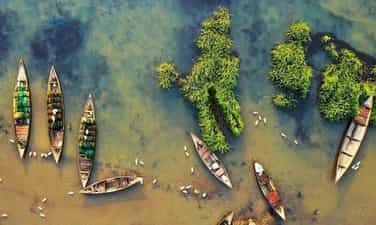
Tra O Lagoon
Tra Coc lagoon is the largest natural brackish water lagoon in Binh Dinh, located in My Thang, My Loi, My Tho and My Germany in the northeast of Phu My district with a perimeter of estimated 20km. It is located between the low mountains covered in the north, the west and the South. By the end of the nineteenth century, the Nguyen dynasty still considered this place as a seaport and had a station to collect taxes from traders. Over time when the flow of the door is filled with fumbling, the water lagoon is no longer related to the sea, but the water source poured into the lagoon is still very abundant thanks to the flow from the high mountain combined with the small streams to converge. Because of that, the water in the lake also gradually becomes brackish water, not as sweet as the river water is not as salty as seawater but it is an ideal environment for aquatic and aquatic products to develop, not only is a large lagoon valuable in irrigation and ecological, but Tra Moc lagoon is also one of the famous tourist destinations in Phu My district because of its beautiful and peaceful scenery. Visiting Tra Moc Dam, visitors will admire the beauty scenery like paintings, vast and calm water, small boats parked on the shore, ducks swimming, farmers relax the fishing, gentle, vivid life on the lagoon becomes a wonderful picture of fascinating travelers. Regardless of the angle, Tra Moc Dam is always beautiful, especially at the time of sunset and dawn, the new dress like a new shirt becomes gorgeous and seductive to the people. In the eastern area of Tra Moc Dam is a white sand beach, with stretching, on which there are two smaller lagoon than the name of the Hai Dong and Thuy Ki also possessing charming people. People like a tea dress like a beauty, during the day she slept peacefully and gently, but when she lived she would wake up and show off her bright beauty full of vitality. Because of that, visitors like to admire Dam Tra Moc in the afternoon of evil to feel the full natural picture of this northeastern region.The with Tra Moc lagoon of the country and immersed in the peaceful scenery, the romantic nature of the river will surely get a journey full of joy with interesting experiences.
Gia Lai
6472 view


De Gi Beach
De Gi, belonging to Cat Khanh commune, Phu Cat district, Binh Dinh is a closed bay. Dubbed the "sleeping princess" of Quy Nhon, De Gi possesses a wild beauty with a blue beach, white sand hill, a seaport, fishing village and a rich marine creature. The GI is about 50 km from Quy Nhon city, is a pristine and sparse fishing port. However, when going deep into the ship, De Gi port appeared with a more vivid picture. Here busy boats, people busy making batches of fish caught in the evening into the barrel to move to neighboring provinces such as Phu Yen, Quy Nhon ... to get to Vung Boi island nestled at the foot of Vinh Loi mountain, visitors move an additional 8 km with canoe. Here, the Tour Gi - Vung Boi is favored by many trekkers because of the unique discovery schedule, immersed in nature and experienced the feeling of peace like the sea is his own. Taking advantage of the pristine and desertedness of De Gi, indigenous guides have created many specialty activities of this land such as: camping overnight on the beach, exploring the islands far from the city ... or tours on the day: the morning of the passenger to the island, then participating in activities such as diving fish hunting fish, watching colorful coral reefs, and lunch breaks with processing dishes right in the sea ... With the abundance of seafood, anyone can hunt for fish weighing up to 20 kg and many other marine creatures. Enjoying the dish from the raw materials captured by your own hands will bring unforgettable taste. After the end of the journey, visitors can build, floating fire, processing dishes from seafood including Binh Dinh specialties such as apricot fish salad, sour fish ... In addition to hunting fish, diving to see coral is also an activity that cannot be ignored when it comes to gi. A new world opens before your eyes when you sink into the deep sea, in the middle of the vast ocean with thousands of small fish swimming around the colorful coral reefs. An extremely unique and attractive location that comes to the vulgarism of Binh Dinh you should not miss the ancient sandy hill. This place attracts visitors by sand hills stretching with pristine beauty and sealing hills. This sand hill is still lying on the beautiful blue coast. It is quite interesting that although located next to the sea, in this area there is a very attractive check-in point that the people moved to call fun as the desert cracked. The soil here is cracked in large patches, looking like dry deserts shortless water. It is that strange beauty that has become a highlight that creates a unique and attracts visitors to check-in.
Gia Lai
6832 view


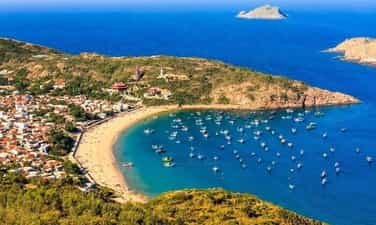
Cat Tien Beach
Cat Tien beach or other name is Nhon Ly beach recognized as one of the most beautiful beaches in the South Central region, with many ideal beaches such as Cat Tien, Hai Giang, Nhon Hoi ... This Cat Tien Nhon Ly beach is located in Cat Tien commune, Phu Cat district, Binh Dinh province. As one of the most beautiful beaches rated in the South Central region, Cat Tien Nhon Ly beach brings a passionate beauty and heart. Cat Tien Nhon Ly beach attracts huge number of tourists coming here every year. Immerse yourself in the majestic natural scenery, immense sea with sand dunes, islands filled with wind, interspersed between the beach sparkling with yellow sand, green waves and enjoying the famous seafood is what visitors feel when coming here. Moreover, along Nhon Ly - Cat Tien beach is being planned to become a national tourist area. Every summer comes, Cat Tien beach has the opportunity to slave jubilantly, when this place welcomes thousands of visitors and playing. In terms of area, Cat Tien Nhon Ly beach is somewhat more modest than other famous beaches along the Central region, the length of this beach is only a few hundred thousand meters. However, with this area, Cat Tien beach is enough to show all its extremely attractive and poetic beauty. The white sand beach, hugging the clear blue water like a painting painting. The landscape at Cat Tien Nhon Ly beach is really beautiful and beautiful that no paper can describe it all. The smooth blue sea surface is like imprinted on the vast sky. The vast sea is far away to the horizon, connected to the clear blue sky to create a perfect scene. Coming to Nhon Ly - Cat Tien beach, visitors will enjoy a fresh atmosphere full of vitality here. Stretching along the sea, Nhon Ly - Cat Tien beach has a colorful blend from the white color of the fine sand, to the blue color of the dotted trees spread, the dark color of the rocky mountain. The rocky mountains along the towering coast, the same waves clapping day and night murmuring, every stone and rocks were in appearance and strange shapes. Sometimes it looks like giant eggs lying in the middle of the sea water, sometimes connecting to the shape of a mountain range of the orange yellow color under the sunset. Release his soul walking on the white sand, the space is flooded, rippling on the sea ... making visitors more fell in Cat Tien beach. Moreover, visitors also have the opportunity to enjoy the famous local seafood dishes. It is also possible to buy souvenirs, dishes of the sea such as delicious fish sauce, seaweed, shrimp paste ... as gifts for family, relatives, friends.
Gia Lai
6528 view


