
 vn
vn en
en ja
ja ko
ko zh
zh


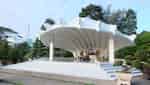


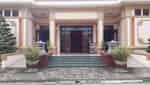
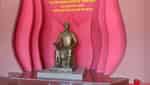

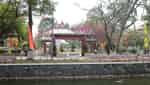

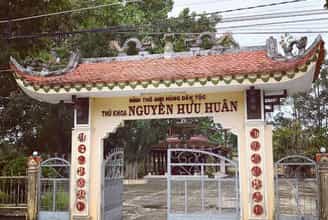
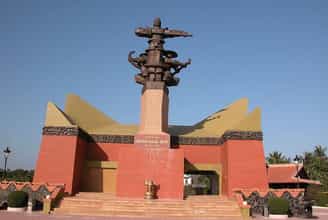
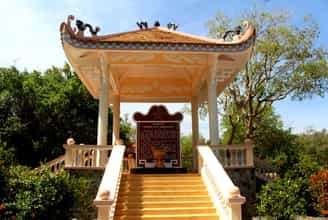
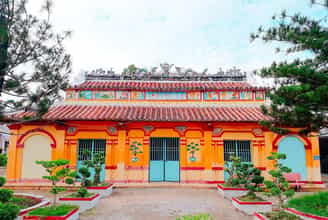
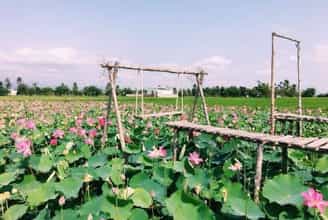
If you have the opportunity to travel to the West, a historical address you cannot help but visit is the Mausoleum of Pho Bang Nguyen Sinh Sac, the resting place of the father of the great President Ho Chi Minh. After many years have passed and been edited and rebuilt many times, the relic site of deputy leader Nguyen Sinh Sac has become a relic site preserving the historical and cultural values of Dong Thap. Although Nguyen Sinh Sac relic site is located in the center of Cao Lanh City, Dong Thap province, stepping inside the space is very quiet and peaceful. This is an extremely meaningful tourist destination in Dong Thap for people to visit with respect and gratitude for a Confucian who "loves the country and loves the people" - a noble, simple, yet extremely noble personality throughout his life, not greedy for fame and fortune, always taking care of the country and the people. Mr. Nguyen Sinh Sac was born and raised in Nam Dan, Nghe An province. In the year of Tan Suu (1901), he passed the Vice Ranking and in 1906 took the position of "Advocate of the Ministry of Rites" and then became Tri Phu in charge of Tri of Binh Khe district (Binh Dinh). During his time as a mandarin, he always stood on the side of the poor, punishing the evil tyrants and only served for a short time before being dismissed by the Nguyen Dynasty. After being dismissed, he went to the South and lived in Hoa An village in Dong Thap province to teach, dispense medicine to help the poor and live a pure life until his death. To commemorate his contributions, the government and people of Dong Thap built the mausoleum of Mr. Nguyen Sinh Sac for people inside and outside the province to visit and burn incense to commemorate him. The relic of Mr. Nguyen Sinh Sac is structured into 4 areas: the mausoleum area, the temple and the house displaying the life and career of Mr. Nguyen Sinh Sac; Uncle Ho's stilt house area and fish pond garden; Cultural space of the ancient Hoa An village model and area for organizing folk games and entertainment festivals. With a total area of more than 9 hectares, the overall relic site is a harmonious architectural complex, imbued with Dong Thap's ecological and cultural imprint, a place for Dong Thap people in particular and people across the country to gather here on holidays, the death anniversary of Mr. Pho Bang, traditional Tet, anniversaries, major ceremonies of the year... The main feature of the mausoleum is a striking white color, bringing a sense of relaxation to those who visit. The mausoleum's grounds have many rare fruits and flowers that people from all over the country brought back as gifts to express their gratitude. The relic is not only built very meticulously but also carries a lot of profound meaning. The tomb facing East is a stylized lotus petal shaped like a spread hand facing down, above are 9 innovative folk dragons, reaching out into 9 gables, symbolizing the people of the Mekong Delta who always protect and embrace the patriot's grave. Mr. Pho Bang's tomb is covered with marble, the ash gray tomb rests on the irregular hexagonal white ground stone tomb, gradually expanding to the sides and front. On the grave there is an agarwood top made of Ngu Hanh Son stone, fragrant smoke day and night. The mausoleum grounds have many types of ornamental plants and rare fruits that people from all over the country bring home as souvenirs, especially the nearly 300-year-old star fruit tree located on the left side of the tomb and the more than 300-year-old sop tree located on the right side of the tomb. In front of the grave is a 5-pointed star-shaped lotus pond, in the middle of the pond is a stylized white lotus stand 6.5 meters high, symbolizing the pure life of Mr. Pho Bang. With open space, many works paying homage to Mr. Pho Bang are arranged independently but connected, filled with pink lotus and the shadows of ancient trees along each walkway. The memorial area displays many artifacts and documents related to his life and career, especially his time in Cao Lanh. This place authentically recreates each stage of Mr. Pho Bang's life from his hometown and family; years of hard work to become talented; The place where mandarins - from the mandarins to the South - operated. Another highlight in the Relic Area is Uncle Ho's stilt house, which was restored to the prototype of Uncle Ho's stilt house in the capital Hanoi. Here, the artifacts are recreated and arranged authentically to help each visitor feel and imagine Uncle Ho's frugal life from his work corner to his resting place. This is also a way for Southern people who cannot afford to visit the capital Hanoi to still feel like they are visiting Uncle Ho's stilt house in the Presidential Palace when visiting the relic site. The relic also recreates the beauty of the familiar Hoa An village cultural space in the early twentieth century, on an area of over 22,000 square meters. This area has traditional houses of village households, Cai Tom canal, fruit gardens, coconut rows, monkey bridges, and winding village roads. Every year, Dong Thap province organizes the death anniversary of Deputy Nguyen Sinh Sac on the 28th day of the 10th lunar month, with more than 100 thousand visitors. Visiting the Mausoleum of Deputy Bang Nguyen Sinh Sac is not only a trip, but also a journey to one's roots, to commemorate and pay tribute to a predecessor who made great contributions to the country. This is also an opportunity for us to learn more about the history and culture of Dong Thap land.
Dong Thap From October to April. 2683 view
Ngày cập nhật : 29/11/2025




 AI Travelviet