
 vn
vn en
en ja
ja ko
ko zh
zh












List of tourist attractions (1455)

Nam Du Islands
Located in the southeast of Phu Quoc island, Nam Du archipelago belongs to An Son and Nam Du communes, Kien Hai district, Kien Giang province, about 60km from the mainland. Nam Du has an area of about 1,054 hectares, including 21 large and small islands, of which 11 are inhabited. Possessing a pristine, charming beauty with blue sea, white sand, golden sunshine, coral reefs, schools of colorful fish and a variety of fresh seafood, Nam Du is likened to a miniature Ha Long Bay in the heart of the city. Southern sea, bringing visitors interesting experiences. Hon Lon is the largest island in the Nam Du archipelago, with an area of 771 hectares with many beautiful beaches such as: Dat Do beach, Cay Men beach, Ngu beach, Gieng beach... along with rows of green coconut trees, some with up to 70 - 80 trees. five years old. This is an ideal place for tourists to swim, scuba dive to see coral or catch fish and snails on coastal rocks. Coming to Hon Lon, backpackers can rent motorbikes to drive around the unique road along the island. On one side of the road is a steep cliff, on the other side is a jade blue sea, in the distance there are small islands and boats offshore, creating a poetic and charming picture of mountains and water. Visitors can also go to the lighthouse located at an altitude of 296m above sea level to visit the radar station and get a panoramic view of the Nam Du archipelago. From City. Rach Gia, every day there is a high-speed train that takes tourists to Hon Lon at 8:15 a.m. and returns to Rach Gia at 12:15 p.m. From Hon Lon, visitors take about 30 minutes by boat to cross Hon Ngang - the richest and most populous island in the Nam Du archipelago with 900 households, most of whom make a living by exploiting seafood and raising grouper and cobia. in cages. Hon Ngang has the largest seaport in Nam Du, gathering many fishing boats anchored. Coming here, in addition to having the opportunity to bathe in the cool blue sea water, visitors can also admire the towering rows of coconut trees and craggy rapids with many strange, unique, and colorful rocks. Thousand shapes lie on top of each other. Tourists should not miss the opportunity to rent boats to go to the sea to visit fish cages, walk around coastal fishing villages to learn about the lives of fishermen, and enjoy seafood such as squid cooked in porridge, shrimp porridge. grilled with onion fat, stir-fried green catfish with onions, grilled imitation fish with banana skins and many delicious oasis species. In particular, at night, looking from Ngang island to Lon island, visitors will see clusters of sparkling lights, adding to the mystery of the offshore island. On Ngang island, there is also Ba Chua Xu temple, built quite solidly. More than 2km southeast of Hon Ngang is Hon Mau with an area of 200 hectares with more than 120 households living. This is an island with a lot of potential for developing resort tourism with beautiful beaches named after the windy season such as Chuong beach with long stretches of white sand and blue sea water; Bac beach (also known as Da Den beach) is attractive with many beautiful rocks, many colors and diverse patterns; South beach has calm waves and calm winds all year round, a place for commercial exchanges and mooring of ships; Nom beach is charming with shady rows of green coconut trees... However, what makes a strong impression on visitors is the gentleness and friendliness of the people on the island. Coming to Hon Mau, visitors can pick their own coconuts to enjoy cool sips of water; personally remove fish caught in nets after a trip to the beach; Cook lunch together or roam around the fishing village to learn about the life and culture of the people here. Tourists will also be led by the fishing village people to visit the place where the giant fish weighing hundreds of tons is worshiped with sacred and mysterious stories. In the evening, visitors can join the locals to light a fire to grill seafood on the rocks along the beach. The journey to explore the Nam Du archipelago will not be complete if visitors miss the opportunity to visit Hon Dau - a small island with only a few households living but with wild beauty, a beach with golden sand and rows of sand. Soaring green coconut trees and fresh air. Not only do they have the opportunity to swim, coming to Dau Island, visitors also have the opportunity to explore the world of magical colorful corals and countless species of fish hidden under the clear blue sea water. There is also primeval forest covering about 90% of the island area. Hon Dau is an ideal place to organize overnight camping and enjoy grilled seafood.
An Giang
5962 view


Phu Quoc Island
Phu Quoc archipelago is located in the Gulf of Thailand, about 400 km west of Ho Chi Minh City. This place attracts domestic and foreign tourists because of its diverse types of tourism, with rich sea and island resources; diverse forest and marine ecosystems. The most ideal time to travel to Pearl Island is from November to April of the following year. This is the dry season in the South, with little rain, calm sea, calm waves and warm sunshine, suitable for outdoor tourism activities. This season is suitable for resort tours, not suitable for backpackers or backpackers. From about May to October is the rainy season, sometimes there are storms, but Phu Quoc is still crowded because it falls during the summer vacation period. If you go to Phu Quoc this season, you should come around the end of April, when there are still not many tourists and the weather is still nice, prices do not increase too high like during the peak season. October is also the time of changing seasons so there is little rain. Vietnam Airlines, Bamboo Airways and Vietjet Air provide direct flights to Phu Quoc from Hanoi, Hai Phong, Thanh Hoa, Vinh, Hue, Da Nang, Nha Trang, Da Lat, Buon Ma Thuot... Airfare If you're lucky, you can hunt for cheap tickets of around a million VND for both going and returning. Phu Quoc's airport is about 15 minutes from the center of the island. Some high-end hotels and resorts often have free shuttle services from the airport. You should ask more about this service when booking a room in Phu Quoc. In addition to direct flights, tourists have many more interesting options when traveling from Ho Chi Minh City to Phu Quoc such as motorbikes, cars, buses, speedboats or ferries. First-time visitors to Phu Quoc should take the speedboat to avoid seasickness. There are two routes to Phu Quoc, the journey from Rach Gia is about 120 km and takes 2 hours and 30 minutes, and the journey from Ha Tien is about 50 km and takes 1 hour and 30 minutes. You should depart from Ha Tien to shorten the travel time at sea, and the ticket price is also cheaper. Please call the station in advance to buy tickets and ensure the schedule is as planned. If you drive your own car, you should go at night to get on the ferry at around 4 a.m. to experience the sunrise at sea. The route lasts about 6 hours from Ho Chi Minh City to the ferry terminal in Ha Tien. You need to prepare food, drinks, blankets, pillows... and it's best to have two people take turns driving to make the night trip smooth and safe. If you take a bus, you can depart from the center of Ho Chi Minh City. There are many high-quality trips to Ha Tien, ticket prices range from 150,000 VND to 230,000 VND per person, depending on the bus company. Some high quality bus companies you can refer to are: Phuong Trang, Mai Linh, Kumho. Visitors can find on Phu Quoc from affordable motels to world-class luxury resorts. If you want to save money, you can stay at a homestay. If traveling with a company or a family with young children, the best choice for you is a hotel in Duong Dong town, convenient to attractions and shopping. Some 5-star hotels such as Saigon Phu Quoc Resort and Eden Resort often cost over 1,500,000 VND per room per day. 3-4 star hotels cost from 1,000,000 to 1,500,000 VND. 2-star hotels such as Gold Hotel, Lavita Hotel, Sea Star resort, Kim Hoa usually cost 600,000 - 800,000 VND. Unlike Nha Trang with beaches that are easy to visit from main roads, in Phu Quoc visitors often have to go far to get to the beach. So if you want quiet and relaxation, you should stay at a resort, villa or bungalow near the beach. Tourist destinations on Phu Quoc are divided into 4 main areas: Central area in Duong Dong town, South island, North island and East island. Depending on your schedule, you should spend at least two days if you want to explore all the fun spots on the island. In the north of the island you can visit places including: Phu Quoc National Park, Rach Vem fishing village, Vinpearl Safari, Ganh Dau Cape,... In the south of the island, you can visit places such as Bai Sao, Bai Truong, Dinh Ba and Dinh Cau, Dinh Cau Cape, Phu Quoc Prison, Phu Quoc Night Market,... Besides, you can visit small islands such as: Hon Thom, Mong Tay, Gam Ghi, May Rut. If you are a fan of delicious food, you should go to Phu Quoc from May to November. This is the beach season for local people, so there will be a lot of fresh seafood, and the price will also be cheaper. Dishes that you can enjoy include: Herring Salad, Ham Ninh Crab, Grilled Coi Bien Mai, Sea Cucumber, Bun Ken, Melaleuca Mushroom, Sea Urchin, Abalone,... Some famous Phu Quoc specialties you can buy as gifts are pearls, fish sauce, pepper, sim wine... Phu Quoc pearls are quite expensive, depending on the quality, color and size. Reputable pearl shopping addresses are Ngoc Hien and Quoc An pearl farming facilities. Phu Quoc fish sauce is famous for its delicious, pure flavor. Some reputable production facilities you can refer to are: Phung Hung fish sauce factory, Khai Hoan production facility, Thinh Phat, Hung Thinh. Phu Quoc pepper has a spicy and aromatic taste, with firm seeds. You can buy pepper right at Khu Tuong pepper garden or Suoi Da pepper garden, which are famous addresses. Phu Quoc Sim wine is produced in the traditional way by fermenting from rose myrtle and white sugar. This type of wine has good effects on digestion and treating aches and pains. Familiar places to buy sim wine are Sim Son and Bay Giao myrtle wine. Seafood tourists often buy as gifts are sea cucumbers, squid and dried fish. Duong Dong night market has many shops selling these products, prices depending on the season and size. It should be noted that you should not go to Phu Quoc during the stormy season. Hotels and motels are often sold out during peak season, so you should book about a month in advance. Some places on Phu Quoc do not allow tourists to visit, you need to strictly comply and do not enter prohibited areas. Ferries and speedboats to and from the island usually run on a fixed schedule. You should carefully ask about operating times so you don't miss the train or bus. If you get seasick, you should prepare some anti-sickness medicine because you have to move a lot at sea. If you ride a motorbike through the forest, you should find a map of Phu Quoc in case you get lost.
An Giang
7623 view


Ang Pagoda
When mentioning Tra Vinh, people think of the land of ancient Khmer pagodas and historical relics with many legends, associated with the journey to explore the South. Tra Vinh province has many Khmer pagodas, of which Ang pagoda is considered one of the largest pagodas, typical of Khmer pagodas in the province. Ang Pagoda, called Wat Angkor Raig Borei in Paly language, is located in Ward 8, Tra Vinh city. The pagoda is located in the scenic cluster of Ao Ba Om and the Khmer ethnic cultural museum, a highlight not to be missed in the tourist map of Tra Vinh. Looking from afar, you will see the temple's buildings with tower-shaped architecture rising straight to the sky, with a magnificent and magnificent beauty but no less solemn. According to historical books, Ang Pagoda was built in the 10th century (990) and was built on its current scale in the 3rd year of Thieu Tri, i.e. 1842 according to the solar calendar. Since then, the pagoda has been restored and repaired many times, including the construction of new auxiliary buildings such as monks' houses, main halls... but the main hall basically remains in the same state as when it was first formed. . Like many other Khmer pagodas in Tra Vinh, Ang Pagoda is a complex of architectural works including a monastery, a lecture hall for teaching Paly and Khmer script... surrounding the majestic main hall. The pagoda faces east, reflecting the Buddhist ideology that Shakyamuni Buddha in the west looked east to save sentient beings. The gate of Ang Pagoda is decorated with very intricate and sophisticated sculpture art with statues of lizards, fairies, and magical birds following traditional Khmer motifs. From the main gate is a wide walkway between two rows of ancient trees with large, tall trunks, creating a majestic stance for the temple. The walkway passes through a wide moat surrounding the area, creating a fresh, cool atmosphere. The pagoda's campus is 4 hectares wide with many endemic plant species on sand dune land such as star, dau, bamboo... including hundreds of ancient star and dau trees that shade the ancient pagoda all year round. The center of the Khmer temple is the main hall (Preah Vihea) worshiping Buddha, which converges and reflects the level of contemporary artisans in the art of architecture, painting, sculpture... The entire main hall is supported by pillars. by a system of 18 columns made of precious wood. Inside the main hall is a large space with 12 pillars decorated with dragon images, painted and gilded. The roof of the main hall of Ang Pagoda is uniquely structured, including three roof levels with beautiful and harmonious colors, of which the top two roofs are very high and steep, creating a sacred feeling that Buddhists must be very humble about. when looking up. The two gables are closed with two elaborately carved triangular wooden panels. The roof mounds have the snake god Naga with a curved crest, symbolizing the bridge between the world and Nirvana. The four walls of the main hall are unique murals expressing Buddhist thoughts, through the spiritual path of Shakyamuni Buddha. On the ceiling are four monumental frescoes showing four stages in Buddha Shakyamuni's life: Buddha's birth, Buddha's renunciation, Buddha's enlightenment and Buddha's entry into nirvana. The Buddha altar in the main hall of Ang Pagoda was also carefully crafted by artisans at that time. The entire pedestal is a lotus flower with many petals placed behind a wooden hammock carved very delicately with many images of flowers, leaves, and animals painted in red and gold. Like other Khmer Theravada temples, the main hall of Ang Pagoda only worships Shakyamuni Buddha in a meditating sitting position. In front of the main hall is a tower containing the remains of the monks who presided over the temple through the ages. What is special is that this is the only five-spired tower among Khmer temples in Tra Vinh. The five-spired tower is the influence of Hindu thought on the universe, nature and humans. After nearly two centuries of solidity and majesty surviving the effects of weather, wind, rain and time, Ang Pagoda is the pride of the Khmer people in particular, and of the Tra Vinh ethnic community in general because Unique, pinnacle values in the art of architecture, painting, and sculpture imbued with Khmer cultural identity, with certain exchanges with Vietnamese, Chinese, Indian, and Thai cultures... In the spiritual life of the Khmer people, the temple is not only a place to practice and perform Buddhist rituals but also a place to preserve and transmit traditional cultural values from generation to generation. With those great material and spiritual values, Ang Pagoda was ranked a national historical-cultural relic by the Ministry of Culture and Information, now the Ministry of Culture, Sports and Tourism, in 1994.
Vinh Long
5976 view


Co Pagoda
Tra Vinh is one of the provinces in the Mekong Delta where many Khmer ethnic people live. Khmer people are very devout Buddhists with rich and diverse festivals, creating a unique identity for Khmer culture. There are pagodas and temples all over the villages, hamlets, and squirrels in Tra Vinh; Every Khmer pagoda is a work of art, including Stork Pagoda. Nodol Pagoda - Co Pagoda is one of the prominent Tra Vinh tourist destinations that tourists should not miss. Co Pagoda's real name is Nodol Pagoda, or Giong Pagoda, but the Khmer people call it Wat Phno Don because there are many coconut trees around (in Khmer, Wat means pagoda, Phno means sand dune, Don means coconut tree). People often call it Co Pagoda because for more than a hundred years this place has become the residence of thousands of storks of all kinds such as storks, gongs, pigeons... of which the largest population is the stork family with many Types: white stork, ibis, red-headed stork, yellow-headed stork, yellow-billed stork, black-billed stork... Co Pagoda is located in Cay Da hamlet - Dai An commune - Ta Cu district, about 40km south of Tra Vinh City. To get to Co Pagoda, from the center of Tra Vinh City, you follow Highway 54 to Tra Cu district, continue towards Dinh An port (a branch of Hau river) to the welcome gate of Dai An commune, turn On the left side you will see the majestic Co Pagoda gate with colorful patterns and motifs. According to the history of Co Pagoda, the pagoda was built in 1677. Over more than 300 years of existence and development, Co Pagoda has been restored countless times, large and small. The pagoda gate was restored in 1968 and the main hall was restored in 1944. After the most recent restorations in 2009 and 2012, the pagoda was completed and put into use today. Like other Buddhist temples in Tra Vinh province, Co Pagoda has an architectural complex typical of Southern Khmer pagodas. Including works such as the temple gate, main hall, ossuary tower, monk's house, meeting house... arranged harmoniously on a large campus. The temple gate is decorated with many unique and outstanding decorative patterns, attracting eyes from the first visit. The main hall of the pagoda has a quite unique design with curved roofs following the dragon tail model, above there are pointed towers shaped like Xome mountain and images familiar to Khmer people such as the four-faced god Mohabrom. , god bird Kayno, Riehu (Reahu), Mahaknot... The space inside the main hall is decorated very solemnly, the highest position is a large statue of Shakyamuni Buddha, below are smaller statues. The walls in the palace are decorated with many splendid, colorful paintings, representing different Buddhist themes. The grounds of Co Pagoda are surrounded by green bamboo groves, rows of star trees, neem trees, oil trees, shady, and beyond are endless green rice fields,... Visit Co Pagoda in the morning Early or late in the afternoon, visitors can admire with their own eyes the sight of pairs and flocks of storks spreading their wings to search for food and returning to their nests after a hard day of foraging, creating a beautiful scene in the sky. Visiting Co Pagoda, you will feel your soul relaxed, quiet, lighter, and all the hardships, difficulties, and pressures of life will disappear. When visiting the temple, you should dress politely, you can rent Khmer costumes to enter the temple - in accordance with Khmer etiquette and also to take unique virtual photos.
Vinh Long
6172 view


Vam Ray Pagoda
Coming to Tra Vinh, it is impossible not to mention the unique Khmer pagodas of the people here. The most prominent one is Vam Ray Pagoda, which was rebuilt from the foundation of a more than 600-year-old temple destroyed during the war. Although newly built, it still carries the ancient and traditional features of Khmer Theravada Buddhism. Vam Ray Pagoda is located in Vam Ray hamlet, Ham Tan commune, Tra Cu district, Tra Vinh province about 35km from Tra Vinh city. Traveling to Tra Vinh, to get to Vam Ray Pagoda, from Tra Vinh city, follow Highway 54 to Tap Son, turn left onto Highway 53 to Tra Cu. Go past Tra Cu about 3km, cross Ham Giang bridge, immediately turn right, go on a small road to Vam Ray pagoda. Right from the outside looking in, the magnificence of this temple makes anyone feel overwhelmed, as if lost in a magnificent, brilliant golden palace. Sparkling yellow radiates everywhere in the temple from the dome, walls, supporting pillars, to even the reliefs and statues. Vam Ray Pagoda has Angkor architectural style, a typical Cambodian architecture. The pagoda has four gates and according to Khmer pagoda tradition, the main gate and main hall face east, symbolizing the Buddhist path of practice from West to East. The entrance to Vam Ray Pagoda is a majestic gate painted in gilded color, the top of the gate is shaped like pointed towers stacked on many floors, hidden in the surrounding green space, making the pagoda gate even more prominent. In the middle of the yard of Vam Ray Pagoda, there is a towering cylindrical column supported by stylized columns shaped like the Naga god snake with 5 heads, used to light candles on festive days, symbolizing that Buddhism will enlighten people. species, helping people live virtuous lives like the snakes that were tamed by Buddha according to the Khmer concept. In the middle of the yard of Vam Ray Pagoda, there is a towering cylindrical column supported by stylized columns shaped like the Naga god snake with 5 heads, used to light candles on festive days, symbolizing that Buddhism will enlighten people. species, helping people live virtuous lives like the snakes that were tamed by Buddha according to the Khmer concept. The inside of the main hall is splendidly decorated with colorful murals imbued with Khmer culture. The running theme of the works is the life of Buddha and Buddhist teachings. The main hall's spacious, elegant and cool space creates comfort for visitors as well as worshipers. Looking slightly to the Southeast of the main hall is the 54m long statue of Shakyamuni Buddha entering Nirvana, placed on a pedestal equivalent to a 2-storey house. The entire statue and pedestal are also painted with gilded lacquer. The artistic peak of Vam Ray Pagoda is reflected in the unique motifs on the dome, walls, columns and stairs, such as the head statue of the four-faced saint Maraprum, the half-human half-bird goddess Kayno, the Marakrit god bird... Not only Vam Ray Pagoda, but all Khmer pagodas in general have always been the center of cultural activities of the community in the area for thousands of years. From pure Buddhist holidays to special Khmer holidays and festivals such as: CholChnamThmay, Sendôlta, Okombok, Robe Offering Ceremony... all take place at the pagoda and are associated with traditional cultural forms of the Khmer people. ethnic and folk games, attracting a large number of tourists to visit.
Vinh Long
6227 view


Khmer Museum
Tra Vinh Museum of Khmer Ethnic Culture is located in Ward 8, Tra Vinh city, more than 5 km southwest of the provincial center, located in a complex of cultural and tourist areas, connected with famous relics. Ba Om Pond, the architectural and artistic relics of Ang Pagoda and the Provincial Cultural and Sports Center, are very convenient for students, ethnic culture researchers and tourists to visit, research, learn about. Tra Vinh Khmer Ethnic Culture Museum is a two-storey building with an area of more than 1,700 m2, designed and built on the basis of a harmonious combination of traditional Khmer ethnic architectural style and modernity. The campus is 1 hectare wide, with many shady green trees all year round. The museum currently stores, displays, and introduces more than 800 artifacts, images, and documents reflecting the material cultural and spiritual cultural life of Tra Vinh's Khmer ethnic community, from traditional to contemporary. . From the entrance gate is a large yard with many trees, creating a quiet atmosphere for the Museum campus, completely separate from the noise and bustle outside. This is a necessary preparation for visitors, especially researchers, to calm down before focusing on learning comprehensively and deeply about Khmer cultural identity, through artifacts, Images and documents are displayed and introduced. On the campus, in the northern corner is a tower containing the remains of a prominent person, intellectual, and revolutionary activist of the Tra Vinh Khmer people in particular, and the Southern Khmer people in general, Maha Son Thong (1910). – 1997). After studying abroad and receiving a Maha degree (equivalent to a Bachelor of Buddhist Studies), he participated in the pre-uprising period of the revolution, going through two resistance wars against imperialism and the work of building and defending the Fatherland. Maha Son Thong has held many important positions such as Deputy Secretary of the Tra Vinh Provincial Party Committee; Regional Commissioner, Vice Chairman of the National Liberation Front and Head of the Khmer Transport Committee of the Southwest Region; Member of the Presidium of the Central Committee of the Vietnam Fatherland Front... Most of the ground floor area of the Museum building is an empty hall under the columns with many stone benches so visitors can sit and rest or walk around to discuss cultural issues of concern. The stairs upstairs are located in the middle of the lobby and below the stairs is a lovely semicircular lake with many ornamental fish swimming freely, creating a gentle and joyful landscape. Part of the ground floor area is divided into working rooms for Museum officials and employees. In these positions, responsible people can easily observe all activities as well as be ready to respond to guidance and introduction requests for visitors. The remaining part is the Gallery of the revolutionary struggle traditions of the Khmer people of Tra Vinh in the pre-uprising period, the two resistance wars against French colonialism and American imperialism as well as the current work of building and defending the Fatherland. .
Vinh Long
6253 view


Mangrove Forest eco-tourism area
Rung Duoc eco-tourism area is located in Long Khanh commune, Duyen Hai district, Tra Vinh province. This Western tourist destination is located in the mangrove ecosystem along the Southwest coast. This is a place of conservation and habitat for many species of wild animals and plants, as well as aquatic species that are at high risk of extinction. Local people call it mangrove forest because this tree species surrounds the entire ecological area with more than 20 years of age and spreads over a huge area of more than 200 hectares. The mangrove forest is located not too far from the center of Tra Vinh province, only about 7 km from the famous Ba Dong tourist area, so it is quite convenient for tourists to travel. This forest has many types of trees typical of the mangrove ecosystem such as mangroves, fish sauce, dates, parrots... of which the largest number is mangrove trees. This type of tree not only prevents the intrusion of sea water into the mainland but also serves as a habitat for many types of animals typical of mangrove forests. Therefore, this tourist and conservation area has high ecological value. Moreover, the mangrove forest of more than 200 hectares is located in the mangrove forest system along the Southwest coast, so it is carefully cared for and preserved by the government. Tra Vinh is only about 170k from Ho Chi Minh City, so visitors can go to the Rung Duoc tourist area in this province by motorbike or bus. The specific way to move is as follows: By motorbike: Starting from Saigon, you go to Binh Chanh, then turn onto Highway 1 and continue in the direction passing Ben Luc bridge to Tan An city of Long An province. From here, visitors continue to My Tho city, along Highway 60 through Ham Luong bridge to reach Mo Cay district. Continue turning onto Highway 53 and go straight and you will reach Tra Vinh city. From the city center, you only need to go about 51km to reach the Mangrove Forest tourist area. By bus: The journey is quite simple because you just need to go to Mien Dong bus station, choose to buy a bus ticket to Tra Vinh with a ticket price of around 100,000 VND/person. When you arrive at the bus station, choose to travel by taxi or motorbike taxi and you will reach the attractive Tra Vinh tourist destination called Mangrove Forest. Tra Vinh is located in the Mekong Delta region, so it also has a temperate tropical climate typical of this region. Just like the provinces of Ben Tre, Tien Giang, Long An, and Tra Vinh, it is cool all year round, so visitors can come to the Rung Duoc ecological area, Ba Om pond, Long Tri island, and Ho island tourist area at any time. Any time of the year is fine. However, the advice that indigenous people often give tourists is to choose to go in the rainy season because this is the time when trees grow, the climate is pleasant, and animals are more diverse than the dry season. Specifically, from May to November every year, with heavy rainfall and flooding season, the vegetation in Mangrove Forest grows strongly, attracting many animal species to live, feed and breed here. . When checking into Tra Vinh Mangrove Forest, visitors are free to experience fun, sightseeing, and exploration, most notably the following activities: Excursing to the Mangrove forest by road or waterway: depending on your preferences and schedule, you can choose one of two ways to visit, but exploring the river and forest by waterway is often chosen by tourists more because If you go this way, you will be able to sneak into large and small mangrove bushes, with trees that are decades old, growing together below but still leaving space above, creating a vast blue sky. Tourists can freely enjoy the exciting and new feeling when each motorboat floats in the fresh space of thousands of trees, birds and many other typical creatures of the forest - river. Tra Vinh Mangrove Forest also has a diversity of animal and plant species like Can Gio mangrove forest or Nam Can Ca Mau because there are many similarities in climate and soil. The fauna here is truly rich with monitor lizards, squirrels, weasels, cobras, turtles, etc. along with many types of fish, shrimp, aquatic products and many typical birds of the mangrove forest. . Coming to the ecological area, you will feel like you are slowing down, experiencing the feeling of being completely immersed in nature, heaven and earth, freely breathing the fresh, cool air of the countryside. In addition to the above activities, when coming to Tra Vinh Mangrove Forest tourist area, you will also have the opportunity to listen to the river songs, imbued with the countryside flavor of the local people. When sitting on small boats gliding, don't forget to spend some time, chat and learn about the lives of local people. The feeling of hearing rustic melodies, rustic words, and daily life stories of the people of this land amidst the cool and fresh nature is truly very interesting. There are many delicious dishes and famous specialties that have made the name of Tra Vinh cuisine. So when visiting the Rung Duoc tourist area in particular and Tra Vinh in general, don't miss the experience of eating noodle soup, rice noodles, porridge, Ben Co noodle soup, dishes made from shrews, grilled fish of all kinds. over a fire made of dried mangroves, silver shrimp with lemon, brown fish cooked in sour hot pot with fruit, fish sauce, etc. The dishes are sold in many places, but tourists should visit delicious restaurants in Tra Vinh to Feel free to choose and enjoy.
Vinh Long
7341 view


Cu Lao Tan Quy
Tan Quy island has a part of Cau Ke district, Tra Vinh province and a part of Tra On district, Vinh Long province, famous for being a green island with fruit trees laden with branches, creating a very typical beauty of river gardens. Western country. Tan Quy island is located in An Phu Tan commune, Cau Ke district, about 45 km northwest of Tra Vinh city. To get to Tan Quy island, it only takes about 10 minutes to take a ferry from Ben Dinh beach. However, if you want to see the panorama of nature and admire the beautiful scenery on both sides of Tay Quy island, you can choose to depart from Ben Cat. In addition, visitors to Cu Lao can sit on canoes gliding on the Hau River to enjoy the cool, refreshing air. Tan Quy Island was formed in the first half of the 19th century when the first residents crossed the river to come here to build villages and hamlets. After that, this place was named Tan Vinh village. At the beginning of the 20th century, around after 1920, this place was renamed Tan Quy island until today. Cu Lao Tan Quy is located in the watershed area, so it has fresh water all year round, fertile alluvium... becoming a specialized fruit growing area with all kinds of typical Southern fruits such as: mangosteen, durian, rambutan , strawberry, cow skin longan... Especially Tan Quy mangosteen is popular in domestic and foreign markets because of its high quality and stable output. Tan Quy mangosteen contains a full range of sour and sweet flavors, balancing all the taste buds on the user's tongue. Anyone who eats this mangosteen fruit will understand why it is known as the "queen of fruit". The ripe fruit season is from April to June of the lunar calendar, the entire island becomes a huge display area for specialty fruits, visitors can easily find them on the side of the road or go into the garden to visit the special fruits. this land. The island's people are famous for their hospitality. At every house, guests are invited to enjoy specialties from the garden. Walking under the orchard's foliage laden with fragrant ripe fruit, visitors will be extremely excited to see durian fruits swinging on branches, straight rows of rambutan and longan with wide spreading canopy laden with fruit, along with rows of mangosteens leaning over to reflect their reflections. Coming here, the fatigue seems to disappear because of the cool air, gentle river breeze, and shady trees creating a pleasant feeling of relaxation. Not only knowing how to generate income from orchards, in recent years, when noticing an increasing number of Tra Vinh tourists coming to visit and learn about Cu Lao, some households have renovated their gardens to Open more garden tourism services, becoming a visit and entertainment destination for many tourists from near and far. Tan Quy island eco-tourism areas have built leaf huts or uniquely designed hammocks in a corner of the garden for visitors to sit and rest after walking and enjoying ripe fruit. After that, visitors also learn about many famous specialties in Cu Lao such as: water lily fish hotpot, chicken hotpot cooked with giang leaves, stir-fried squid with mustard greens, grilled tiger prawns... In addition to enjoying the fresh, poetic air, enjoying the delicious taste of garden fruits. Traveling to Tra Vinh, coming here you will be even more excited to enjoy the feeling of cycling, bathing in the river, rowing a boat to watch the river, endless green orchards or taking a boat for an adventure " "Pong Lau fish hunting" with the enthusiastic and hospitable garden people.
Vinh Long
6530 view


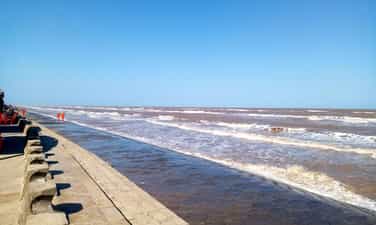
Ba Dong Beach
Located in a corner on the East coast of Tra Vinh province, between the two estuaries of Cung Hau and Dinh An, a bridge between the mainland and the vast East Sea, Ba Dong Beach is considered one of the most beautiful beaches in the Mekong Delta. Long. The beach is an area belonging to Truong Long Hoa commune, Duyen Hai town, Tra Vinh province. The reason this sea area is called Ba Dong is because when the tide rises and falls, three sand dunes form on the beach. People here call it Ba Dong, meaning sand dune. Ba Dong has a coastline stretching over 10km with the fresh, cool atmosphere typical of the Southern coast. As one of the rare beaches in the Southwest region that still retains its clear water even though the upstream of the Mekong River annually dumps a large amount of silt, Ba Dong beach tourism is currently her number 1 choice. Western children when they need to go to the beach within close range. In particular, this place is attracting more and more tourists from far away in their journey to learn and explore the land of Cochinchina and Luc Tinh. With the distinct beauty that nature bestows, it is no surprise that Ba Dong beach has been exploited for tourism and relaxation since colonial times. After coming to Vietnam, the French implemented many tourism activities to serve indigenous people such as building a coastal resort (now Nha Mat site) and opening a golf course (now Con Cu site). After a period of fierce war, the French withdrew from Vietnam, Tra Vinh province was established, and provincial officials continued to deploy and promote tourism here, making Ba Dong an ideal vacation destination. the best in the West. With a long beach with undulating sand, on both sides are rows of green casuarinas, walking along the beach at dawn or dusk will be a truly chill experience. Different from the clear blue color when the sky is clear, sunset and sunrise at Ba Dong beach put on a bright red outfit, seductive and warm. In the distance, a few fishing boats in the middle of the vast waves of water will evoke a sense of peace in the hearts of travelers. Traveling to Ba Dong beach without immersing yourself in the clear water here is like never having set foot there. This beach has the advantage of a shallow sandy shore, very small, rolling waves, no big waves and a reverse flow effect offshore so it is very safe. Visitors can freely immerse themselves in the fresh nature without worrying about incidents. Due to the peaceful nature of the beach, water sports are quite popular here. Visitors can easily find water motorbike rental services and experience the exciting feeling that this sport brings. Although it is a new model that has appeared recently, the service quality is absolutely not inferior to other beautiful beaches. It would be a mistake for tourists to miss visiting the Korean Wind Power field. This is considered the hottest symbol of Ba Dong beach and the whole Tra Vinh province. Visitors can wear beautiful outfits, bring cameras, walk along the golden bridge connecting the wind turbines and bring back super quality virtual photos. The harmonious beauty between nature and man-made here creates a super impressive scene that visitors definitely cannot miss. This type of adventure tourism is extremely popular with young people. With this activity, visitors will follow the fishing boat to the sea, where the sea bottoms are built, and experience the life of a real fisherman. In addition to helping tourists gain a new perspective on offshore life and relieve all stress and anxiety in the city, this activity also helps people understand more about the reality of the arduous life of fishermen. know how to appreciate the fruits of labor that come from facing the waves and winds.
Vinh Long
7077 view


Ba Om Pond
Located about 5 km from the center of Tra Vinh city, Ao Ba Om is currently one of the famous places, attracting a large number of tourists to visit and explore. Bringing in the wild and rustic natural beauty - Ao Ba Om gives you a feeling of closeness and extreme familiarity. With a length of 500m and a width of 300m, surprise and surprise are the first impressions that Ao Ba Om gives visitors when visiting this place. Hearing about the pond, most of you will think it is small, but actually Ba Om Pond is as large as a lake. All around are rows of ancient and perennial trees such as oil trees and star trees. The calm lake surface, clear water combined with the green color of grass and trees create a picture of a peaceful, charming hometown landscape. Star trees, even if they live for a long time, have part of their roots rooted deep in the ground, part of their roots emerging to form many different shapes. Many large roots become seats for guests to stop at, or caves for children to play. In the afternoon, when dusk gradually falls, Ao Ba Om is truly an ideal place for a walk in Tra Vinh. Towering ancient trees shade the entire sky, lean back against the tree trunk or lie under the grass to admire the landscape, sky and earth. Looking at the children running around, playing and cycling around, my heart suddenly felt strangely peaceful. On holidays, when darkness covers, lanterns are released onto the water surface, turning Ba Om Pond sparkling, magical and breathtakingly beautiful. Many types of lamps of all sizes are released into the sky, carrying the wishes of peace, good weather, and lush crops. In addition to visiting the scenery and strolling, coming to Ba Om Pond, visitors can also enjoy delicious dishes such as jaggery cake, noodle soup, vermicelli fish sauce,... at the bustling market on both sides of the road leading to the pond, or other places. Food and drinks filled with childhood flavors such as shaved ice, fried fish balls,... through the street vendors and snack carts around. Simple dishes at affordable prices are what many visitors enjoy when coming here. Leaving behind the noise and bustle of the city, leaving behind the sounds of people and car horns jostling on the road, returning to Ao Ba Om to feel the peace of the village, breathe fresh air, harmony with nature. This will be a memorable experience for every visitor.
Vinh Long
6671 view


Tien Chau Pagoda
Tien Chau Pagoda is also known by another name as Di Da Pagoda. This is considered one of the oldest pagodas in Vinh Long province, Vietnam. According to historical records, Tien Chau Pagoda was established more than 300 years ago and became a National Historical and Cultural Monument a long time ago. The temple possesses an ancient and unique beauty, so it attracts many people to visit and explore. MIA.vn believes that this is definitely one of the Vinh Long pagodas with the most impressive and magnificent beauty that you should not miss when traveling to Vinh Long. Vinh Long is a province about 100km from Ho Chi Minh City. This province has a fairly developed road transportation system and extremely good infrastructure, so you can choose to travel by many different means. Among the means of transportation to Vinh Long, those living in Ho Chi Minh City can go by motorbike, drive a car or buy a bus ticket. Based on the experience of some people, it usually takes about 3 hours to travel from Saigon to Vinh Long. Bus ticket prices only range from 100,000 VND/trip to 120,000 VND/turn, so they are extremely suitable for those who want to travel quickly, comfortably and safely. However, if you want to travel by motorbike on your own, you can refer to the following route: From Saigon, you go to Vinh Long city center along National Highway 1A. To get to Tien Chau Pagoda on An Binh island, you need to cross the ferry on Tien River. It only takes about 15 minutes to travel by river and you will arrive at the island. After that, you ask people to find the address of Tien Chau Pagoda. According to folk legends told by the elders living on the left bank of the Co Chien River, Tien Chau Pagoda was built around 1750 at the end of the 18th century. In the past, the monk Giac Nguyen went to practice. Coming to this An Binh island, I can feel the beautiful scenery here. Therefore, he built a small bamboo hut to worship Amitabha Buddha, the leader of the Western world of bliss called Tien Chau Amitabha. In addition, folk also passed down a story related to Tien Chau Pagoda. On cool, moonlit nights, fairies often come down here to bathe in the river and play. Therefore, this river bank is named Tien beach or Bich Tran beach. The hut located next to the river is named Tien Chau. Unlike the majestic and magnificent Jade Buddha Pagoda in Vinh Long, Tien Chau Pagoda will surprise everyone with its extremely ancient beauty. Tien Chau Pagoda was built in an ancient architectural style with 4 roofs: front hall, middle hall, main hall and back hall arranged in a triangle shape. Accordingly, the main hall, rear hall and rear hall areas are adjacent to each other, creating many spacious and airy spaces. Tien Chau Pagoda has a design imbued with the culture of pagoda carving in the 18th century. This carving is most clearly shown by the 96 round wooden columns used to support the entire temple. The carvings here are extremely delicate and sharp, attracting a large number of Buddhist followers to visit and learn. Besides, Tien Chau Pagoda possesses delicate and harmonious beauty when built in both classical and modern architecture. After many restorations, the temple has never once changed its inherent ancient beauty. Entering the grounds of Tien Chau Pagoda, you will see a statue of Guan Yin Buddha standing majestically on a lotus. Lady Buddha is holding a vase of nectar water in her hand, watering blessings for sentient beings. In the left corner of the campus is a statue of Shakyamuni Buddha sitting quietly under the protection of nine dragons and a shady Bodhi tree. On the right is a statue of Maitreya Buddha smiling happily. The interior of Tien Chau Pagoda's inner sanctum is decorated extremely beautifully and splendidly. In the middle of the four pillars is the altar, inside there is a large Amitabha Buddha statue made of clay. Not only that, both sides of the altar also hang lacquered couplets that have extremely great meaning. There are still many valuable artifacts kept in the pagoda such as: a set of lamellas carved with the Eighteen Arhats, delicately carved tureens from the 19th century, wood carvings... After hundreds of years of existence, The temple still stands tall and proud with its timeless beauty. This seems to be seen as a testament to the eternal life of history. Anyone who comes here for the first time will feel the ancient beauty as well as the extremely sacred flow at this temple.
Vinh Long
5721 view


Cu Lao An Binh
An Binh island includes 4 communes: An Binh, Hoa Ninh, Dong Phu and Binh Hoa Phuoc in Long Ho district, Vinh Long province. With a terrain of land dunes surrounded by Co Chien and Ham Luong rivers, Vinh Long has become an attractive tourist destination, giving visitors unforgettable experiences of a river region characterized by the Southwest. Coming to Cu Lao An Binh, visitors can row sampans through the canals to admire the charming river scenery on both banks. The cool breeze and the singing on the bow of the boat will bring you unforgettable impressions. Or cycle on tree-lined village roads, breathing in the peaceful, quiet garden air. Visit ripe red rambutan gardens or longan gardens, orange gardens, and tangerine gardens laden with fruit, typical of the Western garden type of tourism. Visiting the gardens, visitors can freely enjoy fruits in any season, almost all year round. Specialty fruit gardens such as Mr. Chin Hoan's rambutan garden, Mr. Chin Can's rambutan garden, Mr. Tam Ho's longan and pepper garden, and countless other fruit gardens. Not only can visitors enjoy many delicious fruits, but they can also experience many interesting things such as visiting ancient houses, visiting craft villages imbued with river culture; Experience digging ditches to catch fish, gardening, fishing, preparing food, making folk cakes, listening to opera... A famous spiritual tourist destination of Cu Lao An Binh is Tien Chau Pagoda located on Tien beach on the left bank of Co Chien river. The pagoda was formed in the years 1740 - 1750, is an ancient pagoda not only famous in Vinh Long but also famous in the entire Southwest region associated with the legend of the fairy's beach. Cai Cuong ancient house is known as an architectural work with European appearance mixed with ancient Asian features. Located in Binh Hoa Phuoc commune, on the banks of Cai Muoi canal crowded with boats, this is a place that attracts a large number of tourists to visit. The most attractive feature of the house is the set of wooden panels that bind all three rooms, with delicate carvings of dragons, phoenixes, birds, trees... all painted in gilded vermilion, very eye-catching. Visiting Vinh Sang tourist area, visitors will be able to visit the bird and animal garden, ride ostriches running freely on the sand, fish for crocodiles, learn to walk on monkey bridges, play grass sleds, and ride bicycles around the village roads. , rowing canoes along the canals, spreading nets, fishing or digging into ditches to catch fish... An Binh Island also has traditional craft villages such as Phuoc Dinh Golden Apricot Village. This is a traditional craft village, specializing in growing yellow apricot as ornamental flowers. Coming here, visitors will be able to admire ancient apricot trees that are hundreds of years old and enjoy the atmosphere of the yellow village of blooming apricot flowers during the season. Lunar New Year. Nature has bestowed on An Binh island with healthy trees and sweet fruits in all four seasons and the people of the island have been creative, taking advantage of rivers, canals and orchards as tourist attractions and homestays. After a day of walking, visitors can spend the evening at garden houses in the form of homestay tourism, eating and living with local people. Enjoy typical dishes of the river region such as fried giant fish, crispy fried spring rolls, grilled snakehead fish, pancakes, fruit wine... Fragrant aroma filled with the flavors of countryside gardens and rivers and listening to traditional opera and traditional folk music. Mr. Sau Giao's bonsai garden (Binh Thuan hamlet, Hoa Ninh commune), Mr. Muoi Push's wooden stilt house located on Ninh Hoa canal, or Mr. Hai Hoang's old house with French-style architecture. These are all resting places for tourists wishing to stay overnight.
Vinh Long
5744 view


Van Thanh Temple
Coming to Vinh Long, a city on the banks of the romantic Co Chien River, visitors will visit many famous historical and cultural relics. One of them is Van Thanh Mieu, a typical architectural work left over from the Nguyen Dynasty after the French army occupied Vinh Long citadel. This place is known as the "Quoc Tu Giam of the South", preserving many precious stories about the studious spirit of our ancestors in ancient times. Vinh Long Temple of Literature is located in Long Ho village, Binh Long district, Vinh Long province, southeast of Vinh Long city, now in ward 4, Vinh Long city. When traveling to Vinh Long, if you want to visit the Temple of Literature, from the center of Vinh Long city, follow Tran Phu street along Long Ho river, only a short distance of about 2km to get there. Van Thanh Temple Vinh Long is one of the first three Van Thanh Temples built in the South. The other two Temples of Literature are located in Bien Hoa city, Dong Nai province and ancient Gia Dinh land. The project was started in 1864 and completed in 1866 by Doc Nguyen Thong, worshiping Confucius and his students. Although nominally promoting Confucianism, in reality this is a venue for cultural activities that promote sages and educate patriotism. When Van Thanh Temple's construction was completed. The Temple of Literature Association was born to take charge of management and worship. The Hue court guided the rituals and sacrifices and assigned 20 temple attendants to take care of Van Thanh Temple. This place became the cultural center of the southwestern region. Scholars and guests gathered here to discuss poetry and world affairs. In 1867, after occupying Vinh Long, the French colonialists destroyed the cultural works left by the Nguyen Dynasty and intended to destroy the Temple of Literature. Implementing the teachings of Mr. Phan Thanh Gian, Mr. Truong Ngoc Lang (ie Mr. Non) sought many measures to protect Van Thanh Mieu - the cultural heritage of Vinh Long land. After occupying Vinh Long, the French colonialists used the excuse of lack of wood to build the Provincial Governor's Palace, intending to destroy Van Thanh Temple. At that time, Ba Ho Truong Ngoc Lang (from Minh Huong) was nominated by his compatriots to join the expeditionary force to retain this cultural work. From then until now, Van Thanh Temple of Vinh Long was renovated in 1872, 1903, 1914, 1933, 1963, 1994, 2006 and 2007. Having gone through many historical events, the building has been restored and renovated many times but still retains its original architecture, and was recognized as a national cultural relic in 1991. The majestic three-entrance gate faces the quiet river, built in the ancient style with a three-storey roof, simple but artistic, with a pair of elegant tureens carved on the two pillars. Behind the gate is the Shinto path leading straight to Dai Thanh Palace. On both sides are two rows of soaring stars of the same age as the Holy Temple. Two straight rows of tall trees give the landscaped garden and relic site a depth and a strangely solemn and quiet atmosphere. On that road, amidst the flowers and leaves, visitors can admire three stone steles that have faded over time. In front of the gate is a stele recording the writings of Mr. Phan Thanh Gian, on the front stating the reason for building the temple, praising the merits of the Saint and the court, on the back praising the names of those with meritorious services. In total, there are three valuable steles marking historical periods associated with the Temple of Literature. In addition to the Phan Thanh Gian stele, there is also a stele recording the temple's restoration in 1903, and a stele recording credit to Ms. Truong Thi Loan (Mr. Truong Ngoc Lang's daughter) for donating land to make flowers and incense sticks. Confucius Temple used to be simple, with tree pillars and a tiled roof on the ground. In 1903, it was replaced with wooden pillars, lined with Chinese bricks, and covered with large and tube tiles. The Confucius Temple has many pairs of parallel tureens and horizontal panels that have historical and cultural value and show the love of learning of the Southern people. The main hall is made in the style of overlapping and spiraling snail steps. The statue of Confucius is worshiped in the middle, flanked by four masters. In addition, the altar on the left and right also worships 12 other great scholars. Outside, two small temples (Ta vu, Huu vu) were built as a place to commemorate the 72 famous students of Confucius. Van Xuong Cac is located right at the entrance to the relic, with two cannons on both sides. These ancient guns from 1921 were placed at the wharf (in front of the current Vinh Long Museum). In 1937, it brought Van Thanh Mieu and in 1960 it was placed majestically on a pedestal. Van Xuong Cac was built in the style of overlapping snail steps. Upstairs is a place to store books and worship Van Xuong De Quan, a god in charge of academic examinations. Downstairs, the middle space is where writers sit and converse, behind is a sophisticatedly carved altar, inside are placed two tablets, with parallel sentences praising the two leading scholars of Gia Dinh land, Vo Truong Toan and Phan Thanh. Simple. Every year, at Dai Thanh Palace, there are worshiping ceremonies for Spring Dinh and Thu Dinh, at Tuy Van Lau, there is a worshiping ceremony for Phan Thanh Gian on the 4th and 5th days of the seventh lunar month, and a worshiping ceremony for fallen loyal mandarins on the 12th day. and October 13 of the lunar calendar. On the occasion of the festival, Van Thanh Temple welcomes a large number of tourists from all over.
Vinh Long
6426 view


Vinh Sang tourist area
Vinh Sang tourist area is one of the attractive eco-tourism destinations in Vinh Long, attracting many domestic and international tourists. Coming to Vinh Sang tourist area, visitors will have the opportunity to learn about the land and people of the Western river region. Vinh Sang tourist area is located at the beginning of An Binh island, along the bank of Co Chien river, opposite My Thuan bridge, in group 14, An Thuan hamlet, An Binh commune, Long Ho district, Vinh Long province. When traveling to Vinh Long, if you want to go to Vinh Sang tourist area, you will need to go through An Binh ferry terminal and then follow the signs to go another 3km to get there. From the center of Ho Chi Minh City, go about 35 km in the direction of Saigon - Tien Giang Expressway. At the end of the highway, turn right toward My Thuan Bridge. Go about 60 km further, you will reach My Thuan Bridge. Famously, this is the first cable-stayed bridge in the West, spanning the Tien River connecting the two provinces of Vinh Long and Tien Giang. Just downhill from My Thuan bridge, tourists turn left toward Vinh Long. At the first intersection, continue to turn left to the riverbank to Vinh Sang pier. From here, visitors will take the boat through An Binh island to reach Vinh Sang tourist area. With an area of about 2.2 hectares, Vinh Sang is a large natural garden with a system of interconnected canals with a variety of fruit trees, a typical space of river gardens in the Southwest region. This is also a place to preserve many rare species of birds and animals and is an attractive entertainment area with a series of folk and modern games. Coming to Vinh Sang tourist area, visitors can enjoy the feeling of comfort and fresh air in the countryside, and have the opportunity to explore the Southern garden life. The most attractive point for tourists is visiting the gardens in Vinh Sang tourist area. There are many types of fruit trees in the garden such as rambutan, strawberry, mango, etc. and customers who buy tickets to enter the garden can eat freely. At Vinh Sang tourist area, there are many games suitable for many ages. For those who like thrills, you can play crocodile fishing, ostrich riding, and grass skiing. If you want to participate in country games, you can choose games such as: pond slapping to catch fish, water polo, basket boat racing to catch ducks, dinghy rowing, rope walking, monkey bridge, bicycle bridge...etc. In which, the experience of transforming into authentic Southern farmers with the program of catching crabs and snails in black turtleneck costumes and the traditional bandana is the most loved by many people. Tourists will be able to return to their childhood and remember the dear old days of participating in the crab and snail catching program together, using crab hooks to dig deep into the cave and pull out healthy crabs holding up their arms. It's like fighting an enemy. After catching all the crabs and snails, visitors can prepare their own crab and snail dishes boiled with lemongrass in a clay pot, dipped in spicy lemon chili salt, and drink Vinh Sang sticky rice wine that will definitely make visitors nostalgic. near far. In particular, Vinh Sang Tourist Area also has a herd of African ostriches with more than 60 adult birds. This is the largest bird in the world, raised and developed right in the middle of the Mekong Delta. Amid the fresh nature of the Southwest region, visitors can freely transform into "Hugo riding an ostrich" running freely on the sand. This is a service that is very popular with young people. In addition to entertainment, Vinh Sang tourist area also brings unique characteristics of the Southern river region. By cruise ship, you can go deep into small canals, visit famous traditional craft villages of the Southern gardens located along the river; Enjoy the traditional craft of making coconut candy and making sticky rice wine of the people of An Binh island; Visit the bird garden with more than 12 species, nearly 1,000 birds living in a 0.5 hectare pond. Vinh Sang Restaurant is located in the Tourist Area with a system of 3 large and small restaurants and dining booths along the Co Chien River specializing in cooking rustic dishes of people in the western region: such as grilled fish, fish sauce hotpot. , grilled duck, duck hotpot cooked with congee, crab hotpot.... Among them are extremely strange and delicious dishes made from crocodile and ostrich meat, especially lemon-cinnamon chicken hotpot, which is ranked in the list of 99 delicious Vietnamese dishes. After having fun and eating, visitors will watch opera - this is a type of classical Vietnamese theater, often performing classic old stories, with costumes rich in color and style. Designs are specified for each character, combined with unique music and dance to create appeal for viewers, able to overcome language barriers or cultural differences. For the first time in the West, Vinh Long province is making efforts to revive, preserve and promote this traditional art to domestic and international tourists.
Vinh Long
5809 view


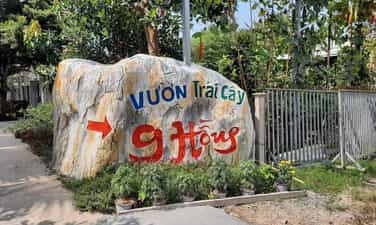
9 Hong fruit garden
Not only famous for the bustling Cai Rang floating market and the nostalgic Ninh Kieu wharf, Can Tho also makes many tourists miss it because of its fruitful and fruitful fruit gardens. One of the famous fruit gardens exploited for tourism in Can Tho is 9 Hong fruit garden - a familiar meeting place for tourists from all over when coming to Tay Do city - Can Tho. If you are in the Central, Northern or international provinces, you can book a plane ticket to Saigon (749,000 VND) then travel by bus to Can Tho to go to 9 Hong fruit garden. Besides, visitors can also book a flight to Can Tho (786,000 VND) if they do not want to visit Saigon. Only about 10km from Can Tho city center, you can get to 9 Hong fruit garden by popular means such as motorbike, motorbike taxi, taxi. You just need to take Nguyen Van Cu street to Phong Dien district to get there. The address of 9 Hong fruit garden has been pinned on Google Map so you can follow the directions to get there. With only 20,000 VND/person, you will experience sightseeing, photography and enjoying fruit activities at 9 Hong fruit garden. If you want to experience the buffet of country cakes or other rustic fun activities such as catching fish, making cakes, and enjoying Western specialties, there will be additional charges, but in general it is very affordable, so you can just do it. Have fun without worrying about spending money. You can visit the 9 Hong fruit garden at any time of the year. Every month, each season, the fruit garden brings a new color of different fruits, making visitors who come once want to come again. . To make your visit to 9 Hong fruit garden more interesting and full of experience, you can come here from May to August. This is the time when Can Tho enters summer, there are many types of fruits this season, and the air is dry. Dry and convenient for moving and sightseeing. 9 Hong Fruit Garden is a tourist destination that recreates part of the simple beauty of the hospitable land of the Mekong Delta. Anyone who has come here once will definitely remember the rich garden and river scenery here. 9 Hong Fruit Garden has an area of about 13,000 square meters, and is jokingly called a fruit forest by many tourists because the garden is lush and fruitful with diverse and colorful fruits such as tangerines, durian, star apples, and rambutans. steal,... Here you will be immersed in cool fresh air, with the faint sweet scent of delicious fruits. In addition to the privilege of taking photos as you please with the lush green garden scenery, you can also enjoy fresh fruit just picked from the tree, delicious and succulent. If you have been tired of visiting the thousand-square-meter fruit garden, stop for a moment to experience the folk cake buffet with countless types of cakes from sweet to salty such as coconut-filled cauldron cake that is crispy on the outside and fatty on the outside, soft and fragrant beef cake. , golden Western Khot cake to fill the belly,... In addition, 9 Hong fruit garden also serves many other garden specialties such as: grilled chicken, grilled duck, duck cooked in congee, fried giant fish. ,... With seasonal characteristics, each season the 9 Hong fruit garden will have different types of fruit. To make sure the garden has your favorite fruit, please contact the garden before coming! 9 Hong Fruit Garden has a scene typical of the Southwestern countryside. If you want to have photos with a true garden feel, please prepare a Ba Ba outfit to take photos. Can Tho is often sunny, so when visiting the fruit garden, don't forget to prepare sunscreen, sunglasses, and a hat to avoid the sun.
Can Tho
4797 view


Con Au
Con Au Can Tho not only attracts tourists by the beautiful scenery of nature and rivers, here, you can also experience many tourist activities and enjoy a variety of specialty dishes. This is a small island located in Hung Loi ward, Cai Rang, Can Tho. Con Au is known as one of the most beautiful islands along the romantic Hau River. The reason it is called Con Au is because, in the past, when people came to this area to live, they saw a lot of baby palm trees, so from then on they named it Con Au. Currently in Con Au there are about 70 families making a living by gardening. Therefore, when visiting Con Au, you will admire the immense green natural scenery and fresh, cool atmosphere. You can visit Con Au Can Tho at any time of the year, it is beautiful. However, before going, you should also check the weather forecast in advance to avoid sudden rains affecting your tour. Most tourists come to Con Au on weekends or holidays. So you should arrange your travel time accordingly. Experience traveling to Con Au Can Tho, to explore this place you first need to get to Can Tho by means of transport such as: Plane, bus, motorbike. For those of you living as far away as the Northern region, you can take a plane departing from Noi Bai (Hanoi) to Can Tho airport. If you are in neighboring provinces, the best way is to take a bus or motorbike to Can Tho. Con Au is about 13.7km from Can Tho center, so you can take a taxi or motorbike in the direction of National Highway 1A about 20km to reach this famous eco-tourism area. If you are not familiar with the route, you can ask local people or look up google maps. Con Au tourist area attracts tourists with the beautiful scenery typical of the Western river region and learn about the simple life of the people living here. Visiting Con Au, visitors will enjoy a memorable 'stress relief' trip on the weekend with loved ones and friends. Con Au is located at the foot of Can Tho bridge, with a total area of 130 hectares and surrounded by rustic natural scenery and vast green cork forests. Visiting the Con Au Can Tho eco-tourism area, visitors will be able to walk on cool, tree-lined streets enjoying the fresh, relaxing atmosphere. Con Au also has lush fruit gardens grown by the people here with all kinds of Western specialties such as: rambutan, custard apple, mangosteen, durian, plum, green-skinned grapefruit, toad,... If you come to Con Au early in the morning, you will witness people rushing to harvest fruits and vegetables to make it to the market early in the day. Visiting Con Au, visitors can also visit the typical mangrove forests here. If you are afraid to walk, you can rent a canoe driven by local people to weave through the canals to admire the rich natural scenery here. Besides, when you come to Con Au, you can also enjoy all kinds of fresh four-season fruits and specialties of the Western river region such as: Sesbania linden fish hotpot, banh xeo, water lily, goby fish hotpot, etc. .. In addition, Con Au Can Tho tourism also has attractive services for tourists to visit such as canoeing, fishing, digging ditches, relaxing, playing sports and learning about the rustic life of the villagers. countryside.
Can Tho
6356 view


Xeo Nhum ecological garden
Currently, in Can Tho city there are many garden tourist destinations, including Xeo Nhum Ecological Garden which is a favorite place for many tourists. Because this place has healthy trees and sweet fruits, the space is quiet, suitable for visitors to relax and rest after stressful working days and noisy city life. Xeo Nhum Ecological Garden is located in Hong Loan residential area, Hung Thanh ward, Cai Rang district. Just leave Can Tho, run along Highway 1A toward Soc Trang for more than two kilometers to arrive. With an area of over 2 hectares, Xeo Nhum pleases visitors with its green space of gardens, fish ponds, gardens and beautiful flower fences. The highlight of creating the Xeo Nhum ecological garden is the shady perennial longan trees, next to the cool, romantic rows of green bamboo. The scene in the garden is very poetic, idyllic, rustic with trellises of gourds, luffa, bitter melon, water docks, nets, and rowing boats familiar in Southern villages. The food area around the fishing lake is designed in an airy, quiet space. Sitting here, visitors can enjoy Western-style dishes: steamed bamboo chicken with grapefruit, mangosteen bamboo chicken salad, grilled yellow catfish young luffa salad, seafood grapefruit salad, steamed snails with bottle gourd, and cooked mackerel fish. Acorns... All are "homegrown" of Xeo Nhum, bamboo chickens are raised in the garden, fish are raised in ponds, gourds and luffa are planted in the vegetable garden. At Xeo Nhum ecological garden, you can also experience growing vegetables like a farmer. If you like, you can rent land (each plot area is 10m2, cost about 100,000 VND per month) to grow vegetables, care for them and harvest them yourself. Staff at the garden will take care of the area when visitors are not present. During harvest time, visitors just need to come pick and bring the fruits home, or they can ask the chefs here to process them on the spot into delicious dishes. In addition to the service of growing their own vegetables, visitors can dig ditches to catch fish, go fishing, hook up, catch snails... Especially and the unique mark of Xeo Nhum is the colorful homestays. The rows of colorful and lovely homestays create a very beautiful background for those who like to live virtually.
Can Tho
7255 view


Bao Gia Trang Vien ecological garden
If you have the opportunity to travel to Can Tho, remember to visit Bao Gia Trang Dien ecological garden to immerse yourself in the green Western space and enjoy the fresh air. Participate in recreational activities of fishing, rowing basket boats... and enjoy Southern specialties. Bao Gia Trang Vien Ecological Garden is located at 268 Phu Quoi Area, Thuong Thanh Ward, Cai Rang District, only 7km from Can Tho city. With an area of about 20,000 square meters, Bao Gia Trang Vien ecological garden overwhelms visitors with its unique and ancient garden. In addition to beautiful bonsai trees, this place also has tall sala trees and many hundred-year-old star fruit trees. The space is airy and poetically beautiful with water lily ponds and swimming fish. The attraction at Bao Gia Trang Vien is that there are new adventure games, such as: basket boat swimming, mountain climbing, aerial games, off-road racing... Among them, slapping ditches and catching fish is a popular activity. most loved by tourists. It was fun when the whole group got covered in mud, becoming real Western farmers catching fish hidden under the mud. Not only can you play freely and have lots of laughter, but you can also enjoy rustic Western dishes from fish you catch yourself. You can rent a ba ba shirt and bandana when participating in this game and Bao Gia Trang Bien will equip you with traditional fishing equipment that is authentic to Westerners. In particular, there is a clean vegetable garden, a melon garden (Japanese Taki variety), and Gia Lai forest vegetables for visitors to harvest and prepare dishes. The spacious campus at Bao Gia Trang Vien is suitable for organizing picnics and team games. With many diverse activities: folding coconut leaves, five-fruit tray, learning to make folk cakes, making rice paintings, learning to sing amateur music... it will definitely leave unforgettable impressions in the hearts of visitors. Bao Gia Trang Vien Ecological Garden also has a lovely homestay area with a view of the romantic river, making it an ideal place to stay for tourists.
Can Tho
7341 view


